


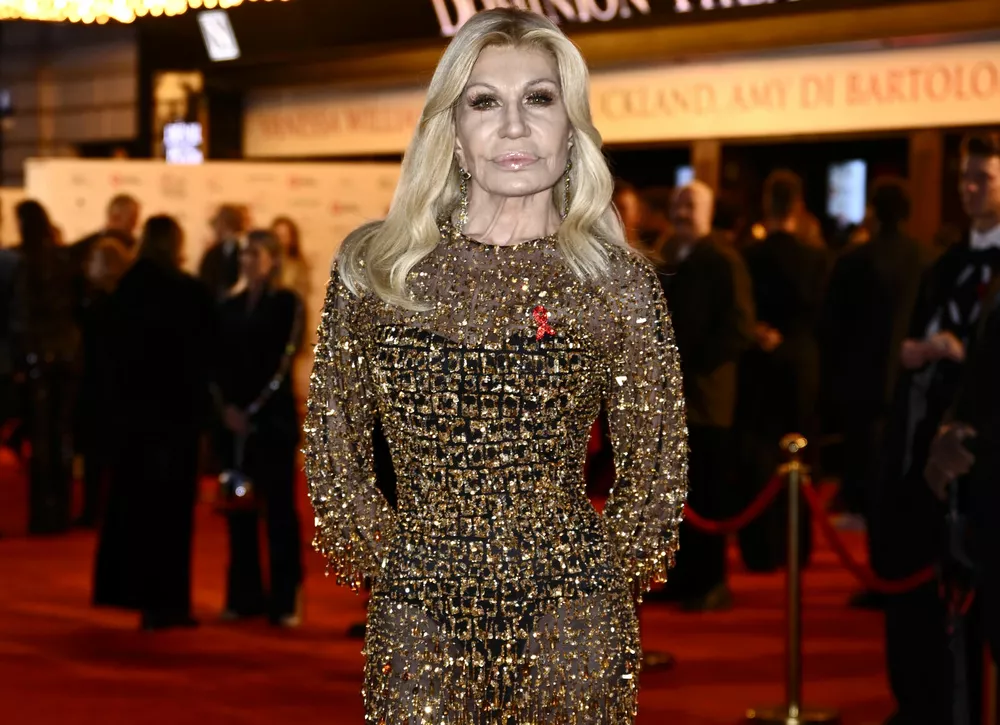

In a seismic shift within the luxury fashion industry, Italian powerhouse Prada Group has finalized the acquisition of Versace for $1.38 billion from struggling U.S.-based Capri Holdings, marking a bold consolidation of Italian heritage brands and positioning Prada as a formidable rival to French conglomerates like LVMH and Kering. The deal, confirmed on April 10 by The New York Times and other leading media outlets, follows weeks of speculation after Donatella Versace’s unexpected departure as creative director in mid-March sent shockwaves through the fashion world.
The acquisition underscores Prada’s ambition to expand its global influence. Versace, renowned for its opulent designs and celebrity following, will join Prada’s portfolio of brands, including Miu Miu, Church’s, Car Shoe, pastry label Marchesi, and the Luna Rossa sailing team. Andrea Guerra, CEO of Prada Group, hailed the purchase as adding a “new, distinct, and complementary dimension” to the company’s strengths, emphasizing Versace’s “tremendous potential” while acknowledging that integration and growth would require patience.
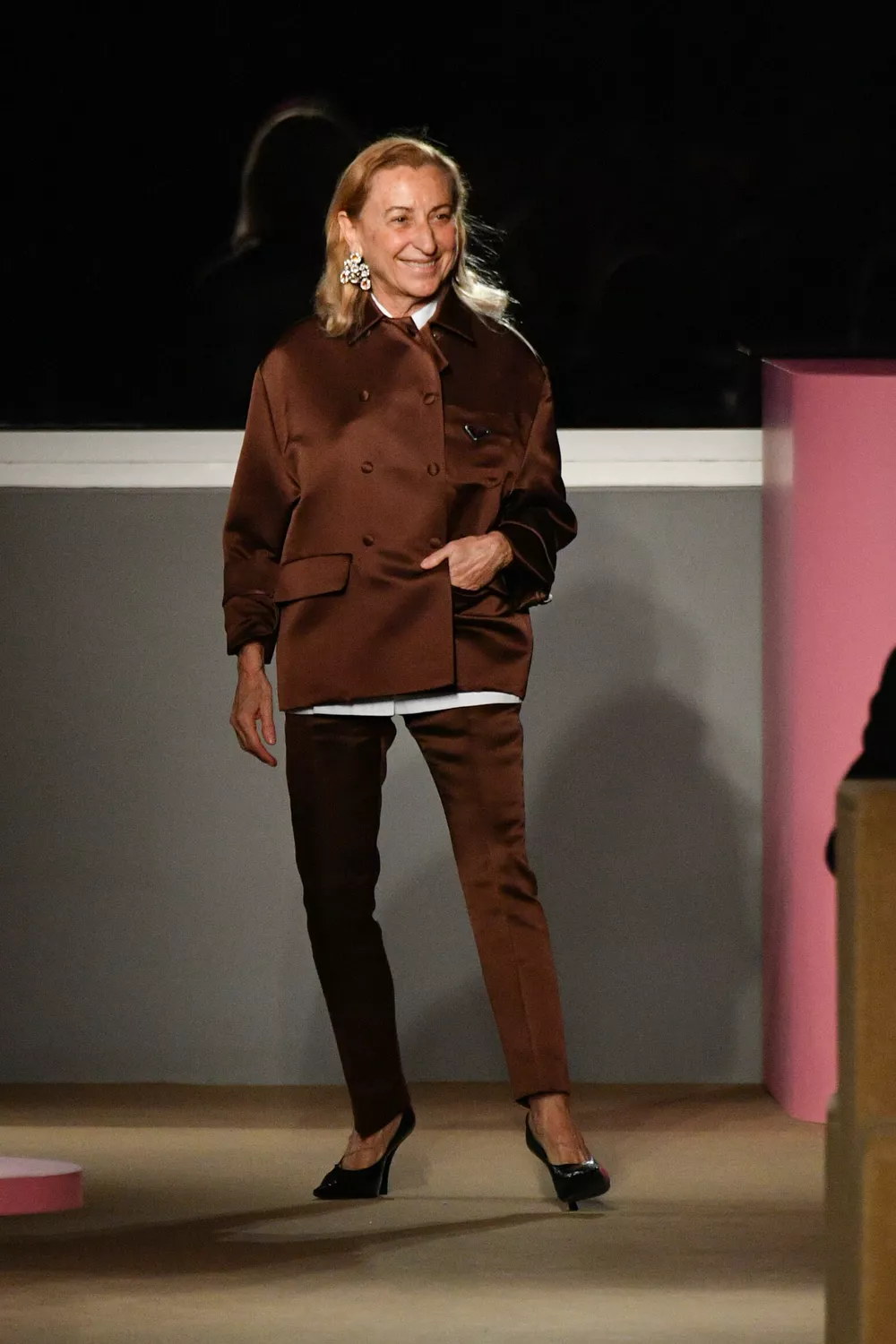
For Capri Holdings—which acquired Versace in 2018 for $2.12 billion as part of its bid to create an American luxury empire—the sale signals the collapse of its strategy to compete with European giants. Despite branding itself as a U.S. counterpart to LVMH and Kering, Capri faced financial headwinds, ultimately necessitating the divestment. Analysts view the move as a retreat from the luxury conglomerate race, with Prada seizing the opportunity to fortify its market position.
Robert Burke, founder of luxury consultancy Robert Burke Associates, praised Prada’s “bold and ambitious” gamble. “This acquisition elevates Prada’s ability to compete on a broader global stage, uniting two iconic Italian names under one vision,” he remarked. The merger not only consolidates Prada’s dominance in Europe but also intensifies the rivalry with French groups, reshaping the luxury sector’s geographic power dynamics.
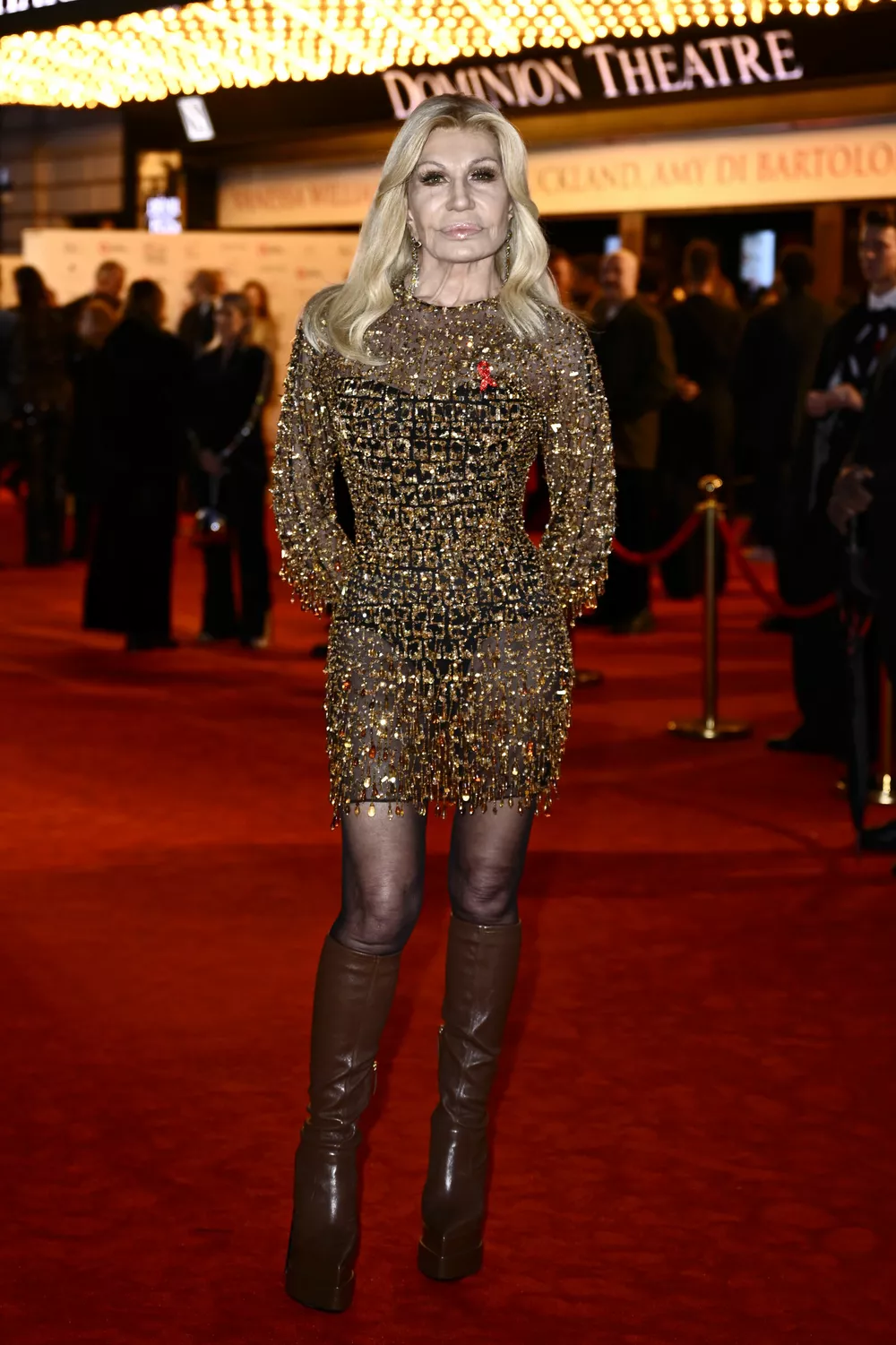
As Versace transitions into the Prada ecosystem, industry watchers anticipate synergies in design, retail, and marketing, though challenges in brand alignment loom. The departure of Donatella Versace, a pivotal figure in the brand’s identity, adds complexity to the integration. Yet, Prada’s strategic bet reflects confidence in Versace’s enduring allure and the group’s capacity to unlock value.
In an era of luxury consolidation, Prada’s latest move underscores Italy’s resurgence in a market long dominated by French titans—a narrative of national pride and global ambition. As Guerra noted, the journey ahead is long, but the fusion of these storied houses may well redefine 21st-century luxury.