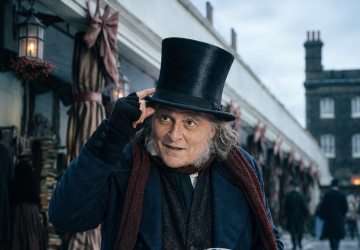


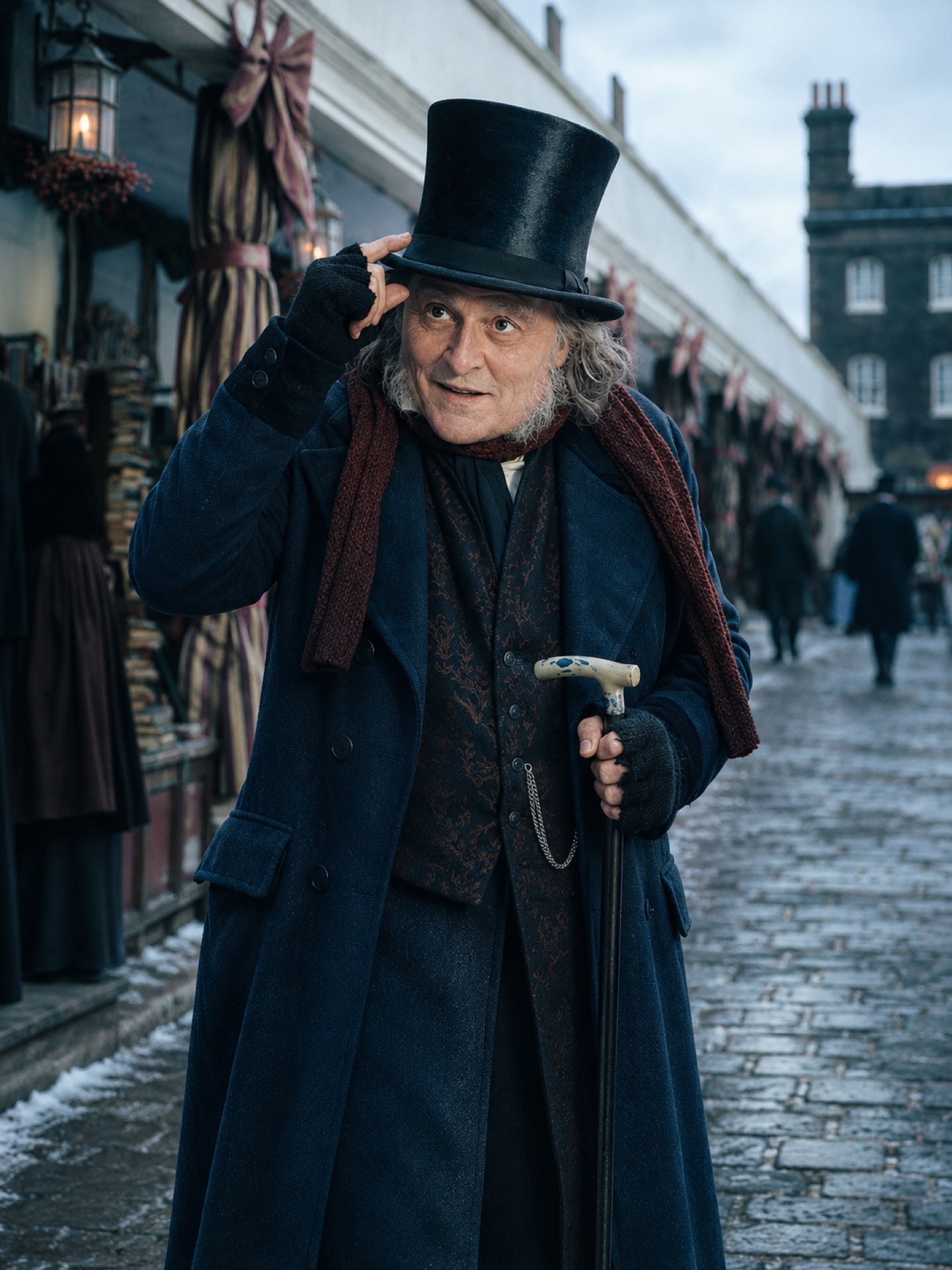

Johnny Depp is stepping into one of literature’s most recognisable roles: Ebenezer Scrooge. Directed by Ti West, Ebenezer brings Charles Dickens’ A Christmas Carol back to cinemas with a supernatural emphasis, an ensemble cast and considerable attention surrounding its leading man’s return to Hollywood studio filmmaking.
Paramount’s US release is dated 13 November. The screenplay is by Nathaniel Halpern, with Emma Watts producing.
A familiar Christmas story with a darker atmosphere
The film follows Scrooge through a Christmas Eve encounter with his past, present and future. Despite advertising that suggests an untold chapter in the character’s life, Variety critic Guy Lodge describes the result as a largely traditional adaptation, rather than a substantial reinvention or origin story.
Its clearest distinction, in his assessment, is its gothic presentation. West, known for the X trilogy, draws on the atmosphere of vintage Hammer horror while retaining Dickens’ central story of redemption.
Lodge particularly praises the craftsmanship, highlighting Eve Stewart’s production design and Checco Varese’s cinematography. His reservations concern how much emotional freshness the film brings to a story audiences already know.
Familiar faces behind the Christmas ghosts
Depp’s Scrooge is surrounded by a cast that includes Ian McKellen as Jacob Marley and Rupert Grint as the long-suffering Bob Cratchit. Sam Claflin plays Scrooge’s nephew Fred, while Daisy Ridley appears as Fred’s wife, Clara.
Andrea Riseborough takes the role of the Ghost of Christmas Past, with Tramell Tillman playing the Ghost of Christmas Present. Arthur Conti portrays the younger Ebenezer, and Ellie Bamber plays Belle.
For Lodge, Riseborough’s unsettling ghost is among the more distinctive elements. His assessment of Depp is measured: a capable, recognisable Scrooge with inspired moments, whose performance does not consistently reach the emotional depth of the strongest screen interpretations.
A closely watched studio return
Ebenezer also carries significance beyond its Christmas release. It marks Depp’s first Hollywood studio film since 2018’s Fantastic Beasts: The Crimes of Grindelwald, following projects including Minamata and Jeanne du Barry and his work directing Modì, Three Days on the Wing of Madness.
In a separate report, Variety places the production budget at approximately US$38 million and Depp’s fee at US$5 million, with potential bonuses linked to box-office performance. Paramount declined to comment on the reported budgets.
That makes the film a closely watched commercial test. Cinema operators interviewed by Variety expressed optimism about Depp’s continuing audience appeal, while also emphasising that the appeal of another Dickens adaptation would depend on the film itself.
Early enthusiasm meets a more cautious review
The first reactions collected by Variety were divided. FilmSpeak critic Tom Chatalbash welcomed the combination of Depp’s performance and West’s visual approach, while critic Phil Roberts responded positively to the film’s emotional journey.
Others questioned whether the adaptation offered enough that was new. Ren Vieira praised its production and sound design but found the interpretation too familiar, while MaryAnn Johanson considered another version unnecessary.
Lodge’s full review similarly separates the film’s atmospheric strengths from its limitations as a fresh interpretation. For readers deciding what to expect, his account points towards a recognisable Dickens story dressed in gothic imagery, with Depp’s Scrooge remaining its central attraction.