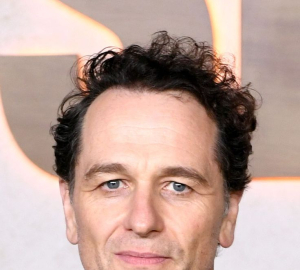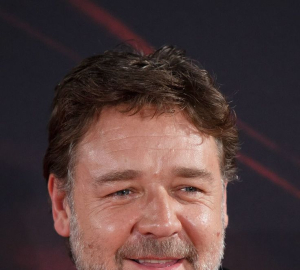







Bali — an island where dreams of paradise meet real investment opportunities. Here, among rice terraces and ocean waves, not only villas are built but also stories of success. One such story belongs to Hanna Osypenko, a woman who transformed her love for Bali into a profitable business, combining a developer’s rigorous calculations with a nuanced understanding of modern travelers’ needs. The founder of IGI Group Holding, an expert with 15 years of experience in construction, Hanna has spent the last three years creating projects on the island that deliver clients up to 15% annual returns while offering guests unforgettable experiences. In this interview, she reveals the secrets of working in Bali’s resort real estate market, discusses risks, the female approach to business, and why Bali is not just a dot on the map but a philosophy of life.

Tell us a bit about yourself. How did you end up in Bali, and what matters most to you now?
My name is Hanna Osypenko. I am the founder of IGI Group Holding, with 15 years of experience in construction in Ukraine and Europe. For the last three years, I’ve been developing resort real estate in Bali. Why Bali? It’s the island of my dreams. I’ve been coming here for winter stays for 17 years, and when the opportunity arose, I moved permanently. Today, my priority is creating projects that generate income for clients and joy for tourists. Every day here feels like the best version of my life.
Why did you choose Bali for construction and investments?
Bali isn’t just a trend. It’s an island with one of the highest ROI rates in the world (up to 15%), stable tourist traffic, and no off-season. People come here for surfing, spiritual practices, and nature. I fell in love with Bali on my first visit. Here, I can blend business and life in a place that inspires creativity.

What risks exist when buying or building property in Bali, and how do you mitigate them?
Construction risks:
- Aggressive climate (rains, humidity) → We use specialized materials and technologies.
- Complex logistics (island location) → We collaborate with trusted suppliers and plan ahead.
- Low local construction expertise → We brought a European team with 15 years of experience.
Purchase risks:
- Incorrect zoning. Bali has three zones:
- Green Zone(agricultural — no construction allowed).
- Yellow Zone(private residential homes).
- Pink Zone(commercial real estate).
Many developers buy cheap green zone land, but such projects get shut down. Always verify the location and the developer’s track record! 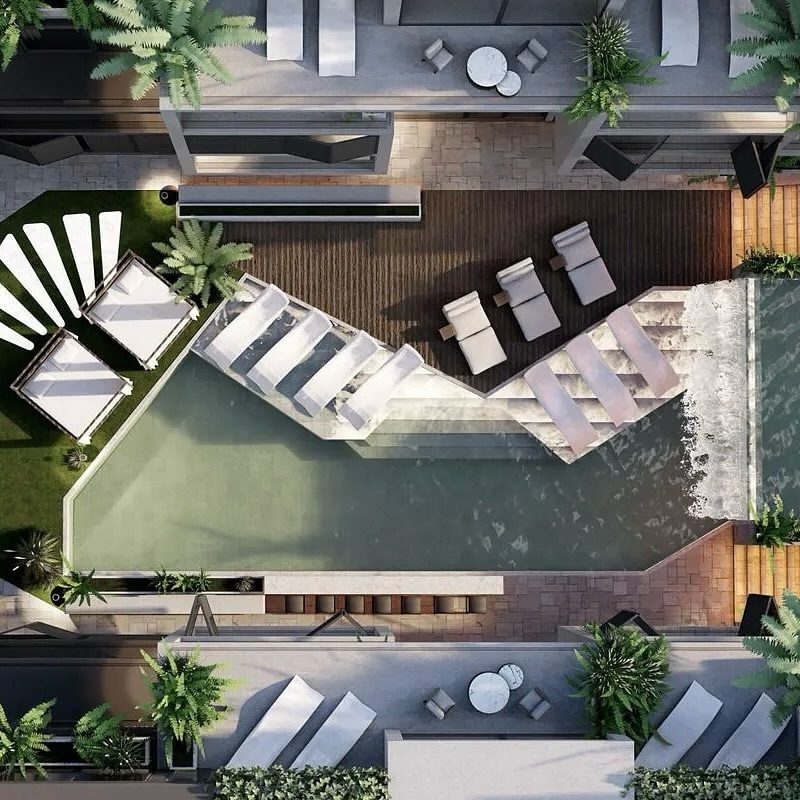
How does Bali’s real estate market differ from Europe or Dubai?
In Dubai and Europe, real estate is urban (5-7% ROI, long-term rentals). In Bali, it’s resort-focused, with daily rentals. Here, the key factor is the management company. It ensures 90-95% occupancy and service that turns a villa into a “home with income.”
How quickly does a property in Bali pay for itself?
On average, 5–7 years. In prime locations, faster. For comparison: Dubai takes 15–20 years, Europe 30+.
How do you manage multiple projects simultaneously?
Each project has its own management team, but we share a core team of professionals: engineers, construction directors, and hotel managers. This allows scaling without compromising quality.
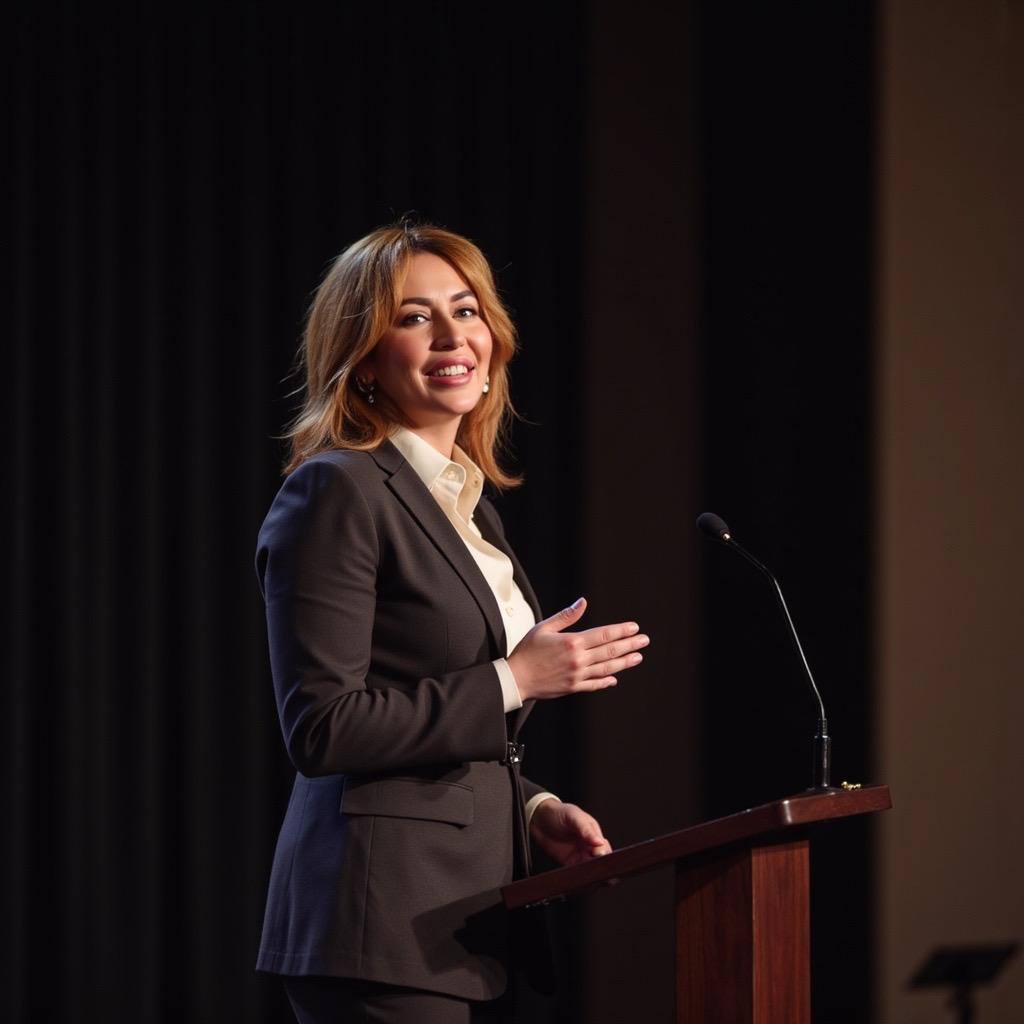
Do you have a strategy for attracting clients and investors?
Yes. We spend up to six months selecting locations (50% of success!), then work with product designers on concepts. Our projects sell out in five months due to our reputation: we deliver on time and maintain 95% occupancy. Clients return!
What’s the strength of a female perspective in the construction business?
One investor said, “A woman is a guardian. I trust you won’t lose my money.” We focus on details: decor, comfort, a “home-like” atmosphere. Guests often extend stays for months — that’s the result.
Have you faced situations where you weren’t taken seriously as a woman in a “male” industry?
Yes, stereotypes persist in CIS countries. But gender bias is less pronounced in Bali. The world is changing: women prove they can manage construction and hotels as well as men.

What advice would you give a woman wanting to build a business abroad?
Treat business as business. Study laws, technologies, and risks. Start small — our first project was a test. Don’t fear boundaries — they exist only in the mind.
What kind of home would you build for yourself if profit didn’t matter?
A house in the jungle, far from crowds. Silence, nature, rain outside… Bali is perfect for this. But for now, I build homes for others — to grow their wealth and make guests feel happy.
Hanna Osypenko’s story proves that success in business is born at the intersection of professionalism, courage, and passion. Her projects in Bali not only multiply investors’ capital but also create spaces where every guest feels special. From battling climate challenges to overcoming gender stereotypes, Hanna has shown that even in a “male” industry, a female perspective can be a competitive edge. Her advice to women dreaming of global business resonates like a manifesto: “Boundaries exist only in the mind.”

For Hanna, Bali is more than an island. It’s a symbol of harmony between business and lifestyle, where ROI is measured not just in numbers but in emotions. And as her team builds new villas, she continues to prove that you can construct not only homes but also dreams — as solid as concrete and as inspiring as an ocean sunrise.