

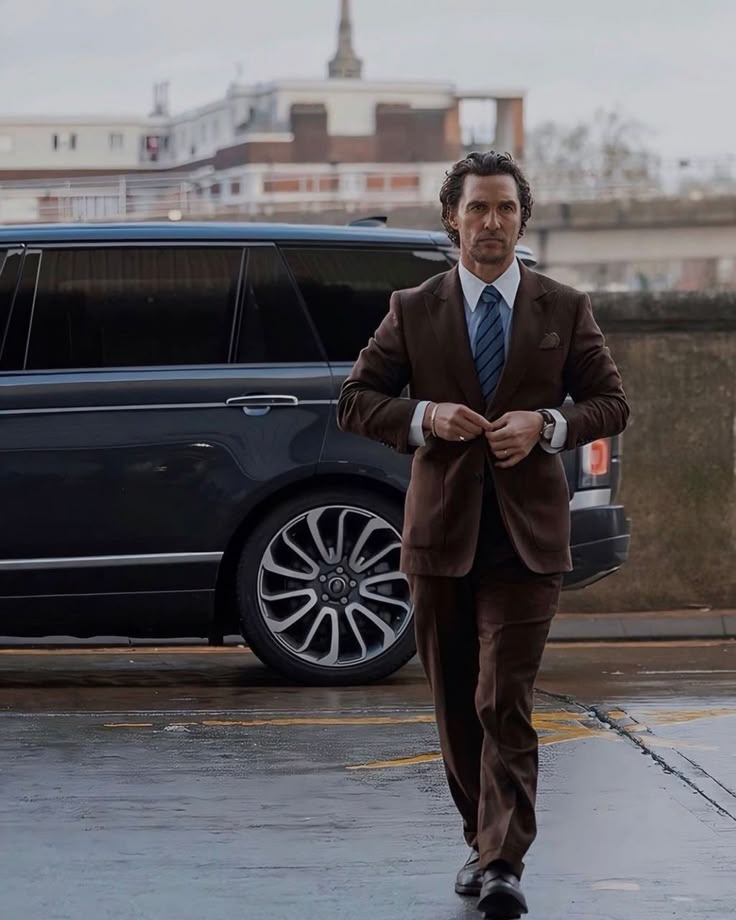

Long before reflection became a luxury trend, Matthew McConaughey was already using solitude as a way back to himself. In a recent conversation on the No Magic Pill podcast, the Oscar-winning actor revealed that after his rise to fame in the 1990s, he stepped away from Hollywood and spent 22 days in Peru with no electricity, searching for something success had started to blur: his own identity.
McConaughey said the trip came after the attention that followed A Time to Kill, when fame began to complicate his sense of what was real and what was performance. To detach from the noise, he went to Peru and introduced himself simply as Mateo, choosing anonymity over recognition. He described the journey as a way to “get [his] feet on the ground” and test whether the person beneath the public image was still fully there.
According to McConaughey, the first 12 days were difficult, but what followed became transformative. He said there came a point when he realized he could actually live in that stripped-back existence, and that realization made it possible for him to return home differently. What mattered most, he explained, was meeting people who knew him only as Mateo — not as a celebrity, but as a man. By the end of the journey, the emotional goodbyes felt meaningful precisely because they were based on who he was without fame attached to him.
That experience, he said, reaffirmed his identity. It reminded him that whatever public success had formed around him, the foundation still had to come from within. For WOW Magazine, that is perhaps the most compelling part of the story: not the image of an actor escaping to Peru, but the idea that reinvention sometimes begins with subtraction — no spotlight, no noise, no external validation. Just distance, silence, and the courage to sit with yourself long enough to tell the difference between image and truth.
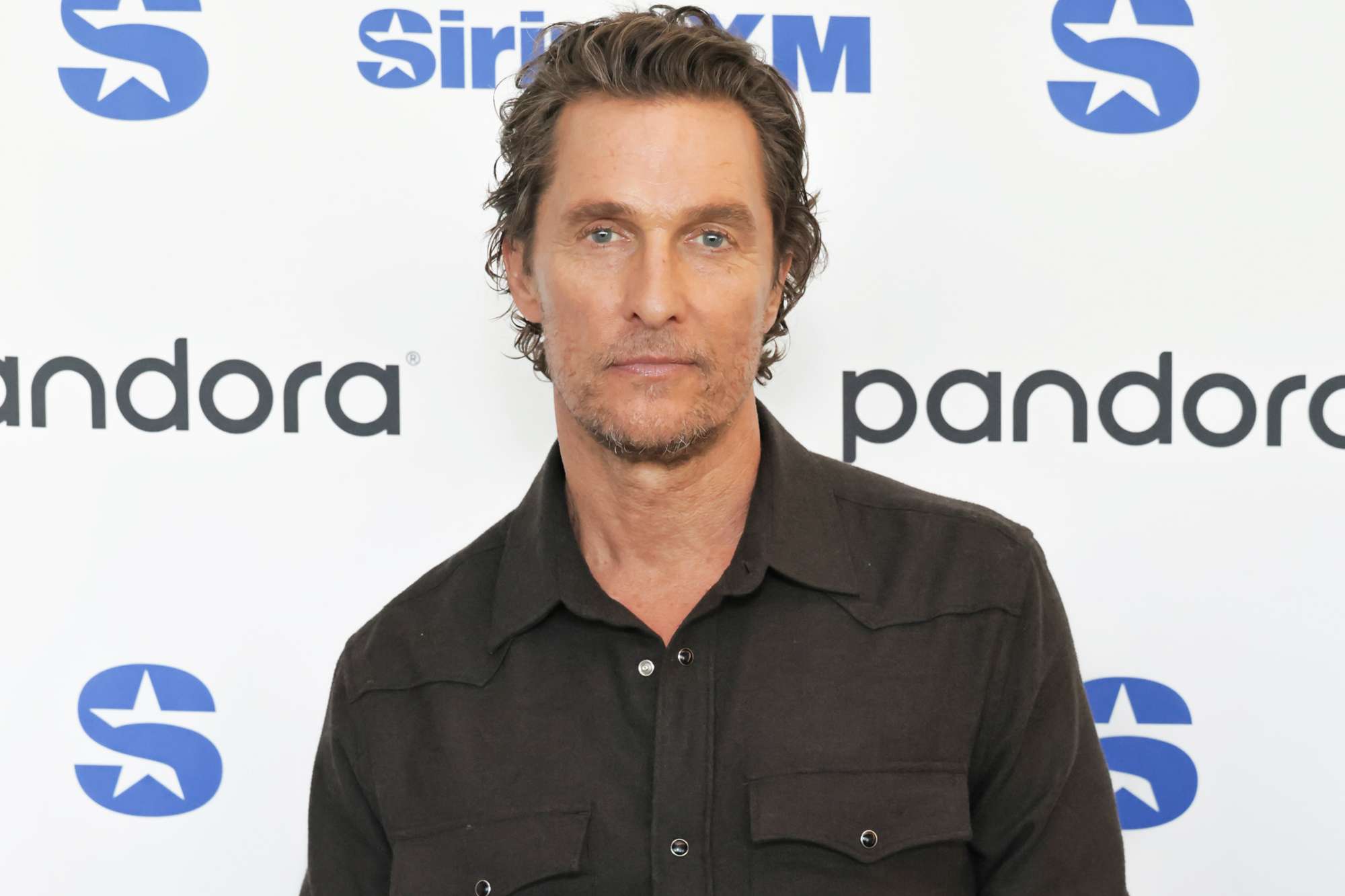
McConaughey also shared that he later took another solo retreat while working on his poetry book Poems & Prayers, bringing diaries, food, water, and tequila to a remote place with no electricity. Reflecting on these kinds of trips, he said there is often an initiation period where guilt, shame, and inner unrest rise to the surface before clarity arrives. For him, the breakthrough tends to come only after that discomfort has been faced directly.
In an era that often equates visibility with wholeness, McConaughey’s story offers a different perspective. Sometimes the most important journey is not toward more attention, but away from it — toward the quieter version of self that still exists when no one is watching.