


Before the football even began, the 2026 FIFA World Cup opening ceremony in Mexico City made one thing clear: this tournament intends to open with scale, glamour, and a heavy dose of global star power. Held at the iconic Estadio Aztecaahead of the opening match between Mexico and South Africa, the ceremony blended music, culture, and football nostalgia into a highly produced international moment.
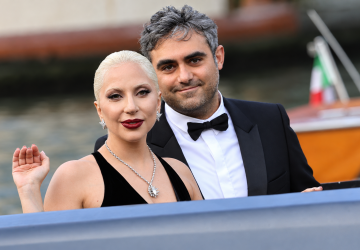
For WOW Magazine, the most striking part of the evening was how naturally entertainment and sport merged into one visual narrative. The opening ceremony featured a star-led lineup that included Shakira, Burna Boy, Salma Hayek Pinault, Tyla, J Balvin, and Andrea Bocelli, turning the start of the tournament into something closer to a cultural showcase than a traditional pre-match ritual.
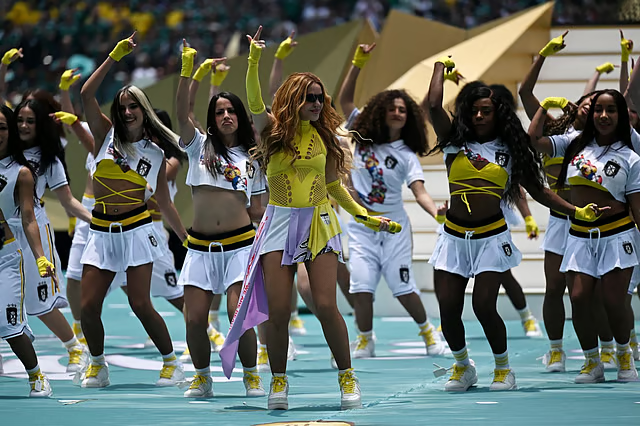
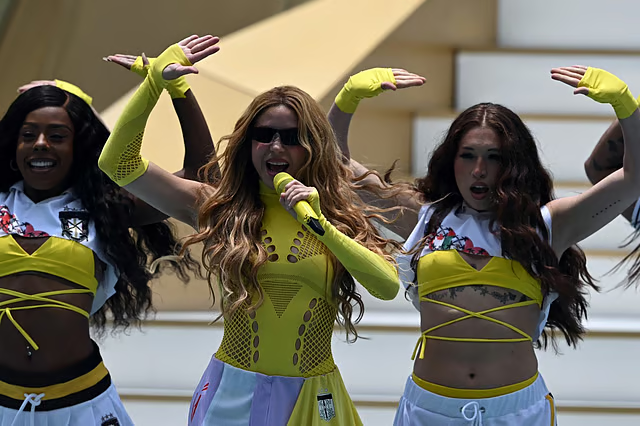
One of the defining moments of the night belonged to Shakira, whose return to the World Cup stage immediately tapped into football memory. Her 2010 anthem “Waka Waka (This Time for Africa)” remains one of the most recognizable songs in World Cup history, and her new appearance gave the opening ceremony an instant sense of continuity and nostalgia. This time, she performed “Dai Dai” alongside Burna Boy, creating a moment that linked Latin pop and African music on one of the biggest stages in world sport.
Burna Boy’s presence added another international layer to the evening. As one of Africa’s most influential contemporary artists, his performance with Shakira brought an unmistakably global dimension to the ceremony, reinforcing the idea that the modern World Cup is as much about cultural reach as athletic competition. Together, they delivered one of the night’s strongest statements: football may be the reason the world gathers, but music often shapes how those moments are remembered.
The ceremony also kept a strong local identity. Inside the 80,000-capacity stadium, fans in Mexico’s green jerseys and mariachi-inspired looks set the tone for an opening designed to celebrate the host nation. Performers in colorful costumes filled the pitch in a tribute to Aztec culture, while Lila Downs welcomed audiences in both Spanish and English with a direct message to the world: “People of the world, welcome to Mexico!”
Latin music remained central throughout the program. Danny Ocean performed “Partidazo,” while Belinda appeared with Los Ángeles Azules for “Por Ella,” one of the songs featured on the official World Cup album. Later, J Balvin took over the stage with Ryan Castro, performing a medley that included “Una A La Vez” before closing with “I Like It,”his global hit with Cardi B and Bad Bunny. The result was a ceremony that felt deeply tied to the region while still designed for a worldwide audience.
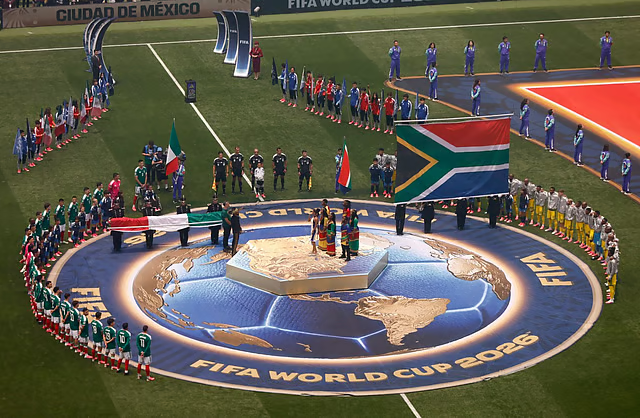
What made the night work was not just the number of stars, but the mix of references it carried: football nostalgia through Shakira, African global influence through Burna Boy, host-country heritage through the staging, and contemporary Latin energy through Balvin and the wider lineup. It was a reminder that the World Cup opening is no longer just ceremonial. It has become a cultural performance in its own right.
For WOW Magazine, the bigger takeaway is simple: the 2026 World Cup did not open quietly. It opened like a global entertainment event — visually rich, emotionally calculated, and built to generate moments that live far beyond the match itself. And before the first goal was scored, the celebrities had already made sure the world was watching.