




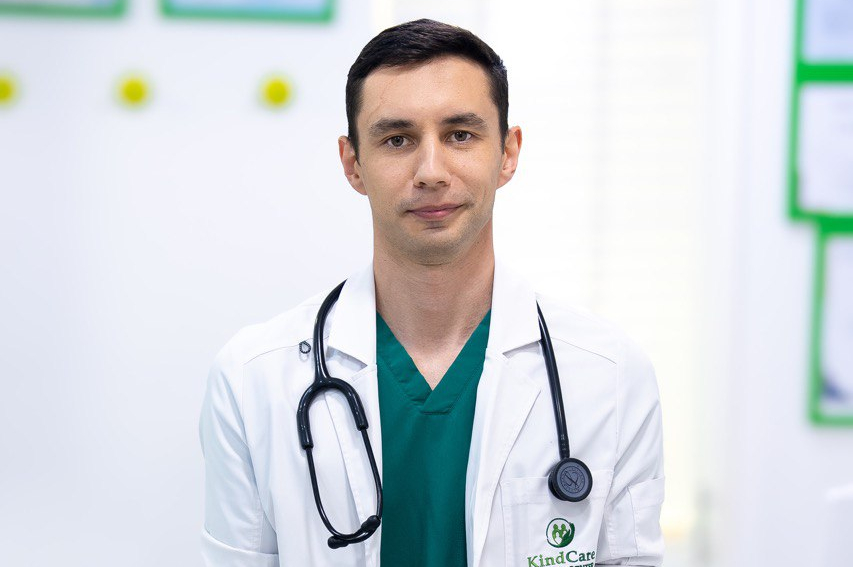

In today’s world, conversations about health are shifting – from the body to the mind, from the surface to the source. At the heart of this transformation is Dr. Timur Kalinichenko, a doctor whose lifelong fascination with the brain has led him to treat over 15,000 patients across two continents. From his beginnings to his work in Dubai’s KindCare Medical Center, Dr. Timur is pioneering approaches that merge science, empathy, and technology to help people reclaim their mental balance.
Mental health issues are now among the fastest-growing health concerns worldwide. According to the World Health Organization, more than 1 in 8 people globally live with a mental health condition, and numbers are steadily rising. Anxiety, depression, sleep disorders, and mood swings are no longer rare – they are becoming everyday struggles for millions. Against this backdrop, doctors like Dr. Timur are bringing a new perspective: it’s not only about treating the disease, it’s about helping the person.
Dr. Timur, your story begins far from Dubai. Can you share your journey into medicine?
I graduated from Altai State Medical University in 2012, and since then, I’ve worked across many fields of neurology – emergencies, strokes, epilepsy, mental health, and more. From the very beginning, I was fascinated by the nervous system and especially the brain. How it controls not only our movements, but also our emotions, decisions, and memories. Over the years, what I’ve learned is simple: understanding the brain changes lives.
What brought you to Dubai?
Three years ago, I was looking for a new chapter and new opportunities. When I came to Dubai, I found them at KindCare Medical Center. I was very fortunate to join a clinic with such high standards, led by Dr. Igor Max, our CEO. From the very beginning, I felt we shared the same vision about brain health. Dr. Igor was the first to introduce neurofeedback training in the UAE, and he supported my passion for neurophysiology. That was the moment my career entered a new stage.

You mention neurofeedback. Can you explain what makes this technology so exciting?
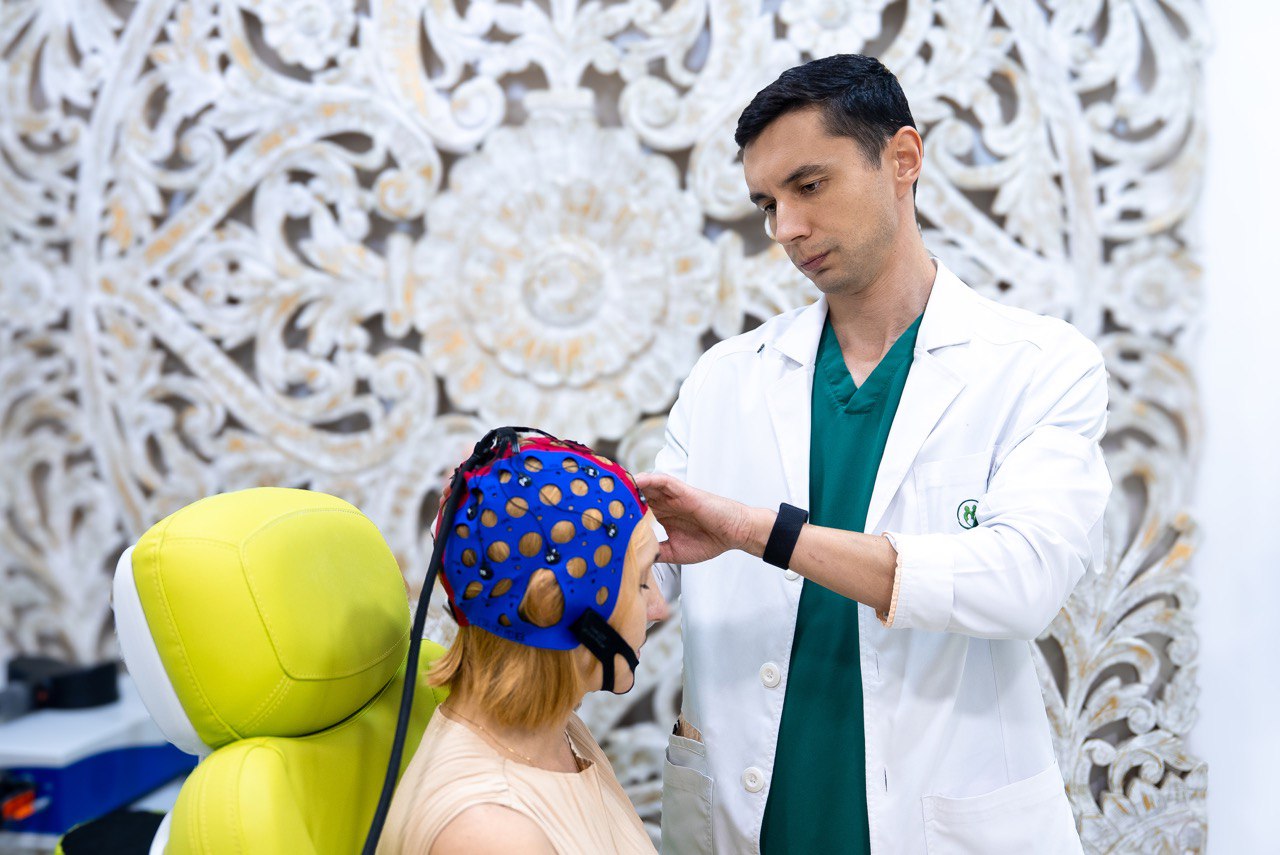
Neurofeedback and brain mapping are, in my opinion, the future of mental health care. For the first time, we can train the brain directly – helping people with anxiety, depression, insomnia, or attention problems – and do it without medication. As doctors, our responsibility is to find the most physiological, non-invasive, and healthy ways to help people. Today, modern medicine allows us to do that with tools like neurofeedback and transcranial magnetic stimulation. It’s a new era of treatment.
Many people think of medicine as only prescriptions. What is your philosophy?
Prescriptions have their place, but they are not the whole picture. Health is not just the absence of disease – it is the presence of balance. That balance comes from many factors: sleep, nutrition, exercise, social connections, and how we manage stress. I always tell my patients: it’s not about fixing a symptom, it’s about restoring the whole person. For me, the brain is the conductor of that orchestra. If it is in tune, the rest of life plays in harmony.
In your opinion, what is the most important factor in successful treatment?
Surprisingly, it’s not the medication – it’s communication. People need to understand what is happening in their brain and why certain steps matter. That’s why I encourage questions, curiosity, even personal research. It’s also why I started my YouTube channel: to make complex brain science clear and practical. In the end, brain health is about life itself – remembering a birthday, finishing a project with clarity, being fully present with the people who matter most.
Looking forward, what is your vision for brain health?
I believe the future belongs to personalized, non-invasive brain care – combining diagnostics, training, and lifestyle. My dream is to make these approaches widely available, so people see brain health as something they can actively train and protect, just like physical fitness. I want to see a world where people invest in their brains the same way they invest in their bodies – with awareness, prevention, and daily habits.
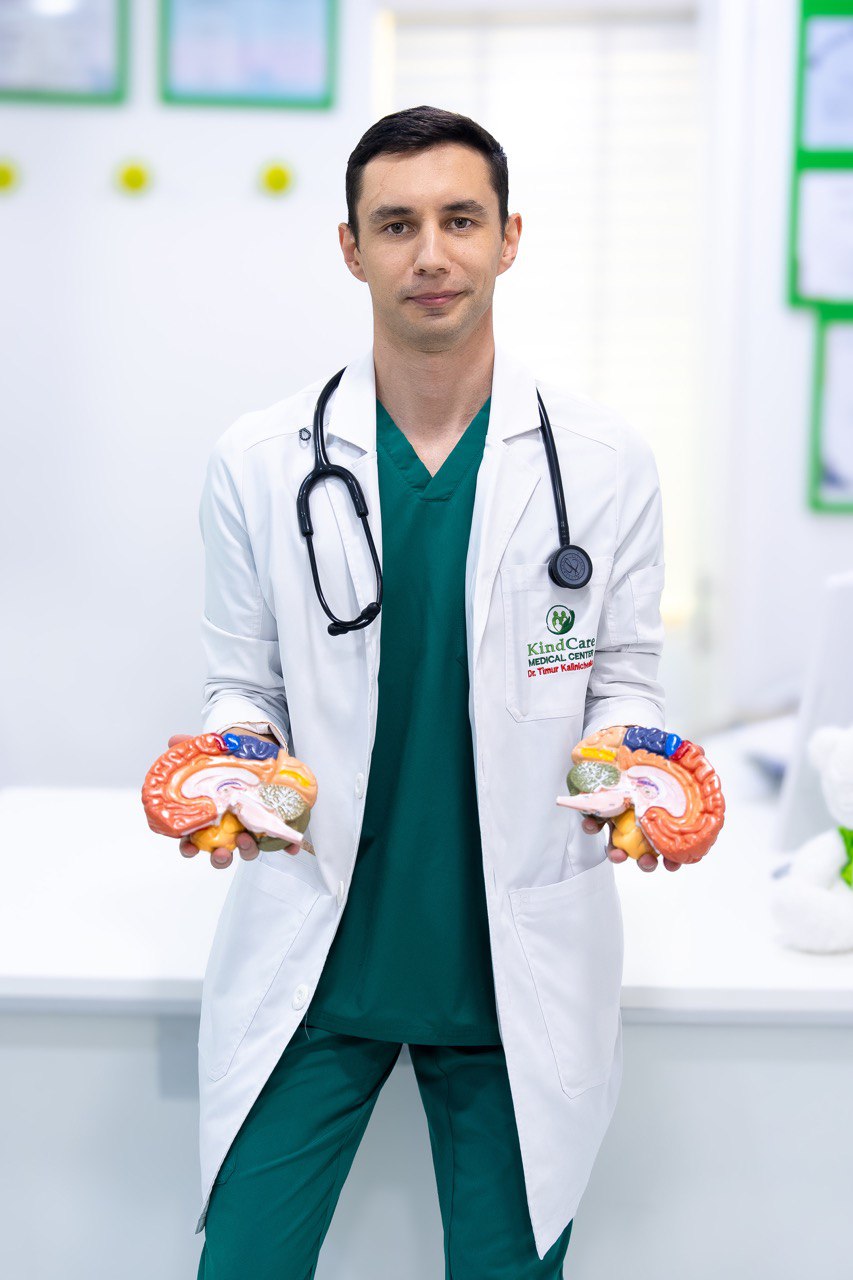
Dr. Timur Kalinichenko’s story reflects a deep belief that the brain holds the key to a healthier, calmer life. His message is clear: in an age where mental health issues are rising everywhere, it is not enough to treat diseases. Doctors must help people rediscover balance, using science, lifestyle, and empathy together. In this vision, brain health becomes part of everyday living – reshaping not only medicine, but also the way we understand ourselves.
Disclaimer: The interview with Dr. Timur Kalinichenko reflects his professional opinion and experience. The information is provided for informational purposes only and does not replace individual medical consultation. Before making any treatment decisions, we recommend consulting a qualified healthcare professional.