


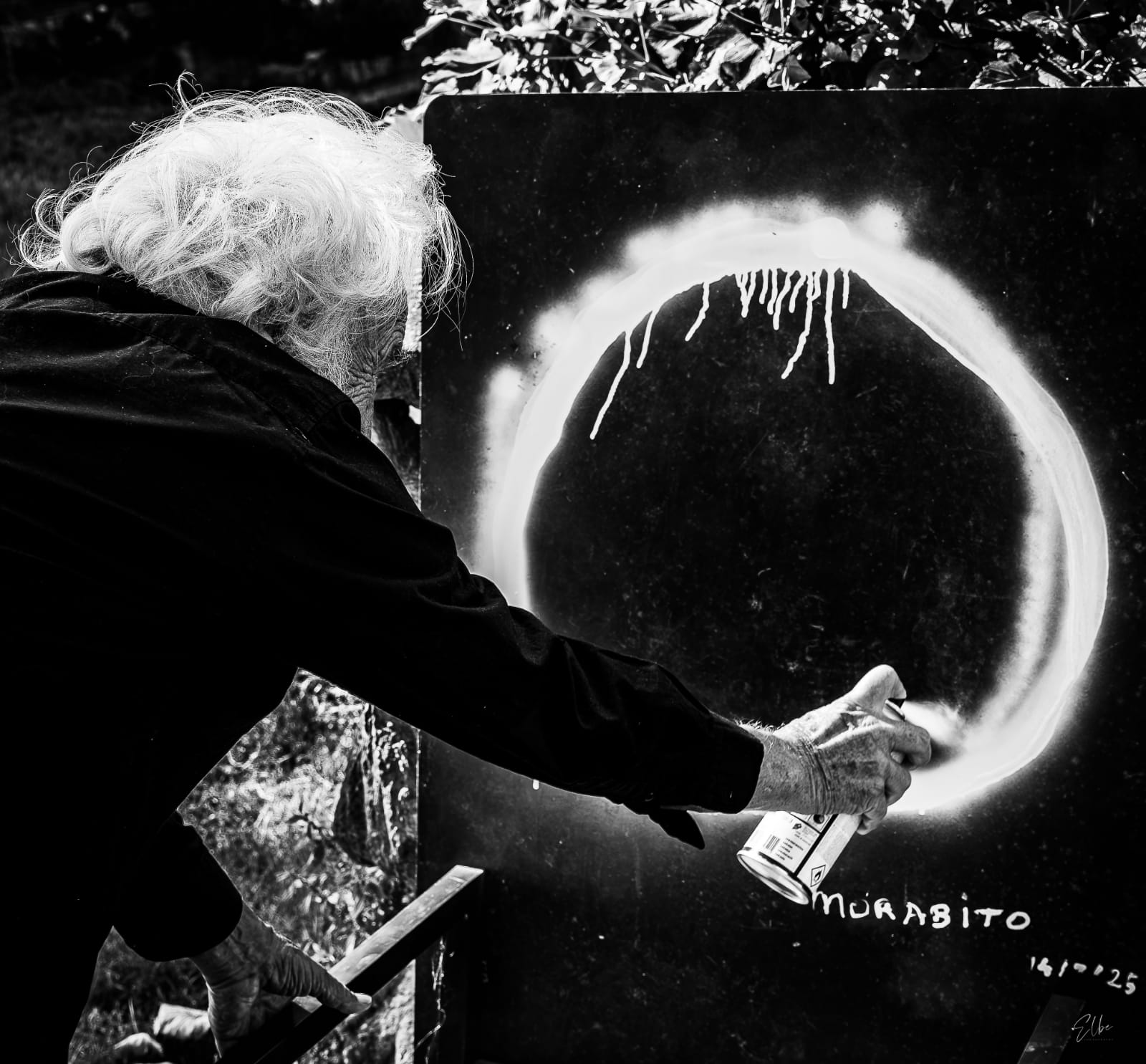

French artist, designer, and visionary Pascal Morabito, whose life and creative journey have been closely connected with Bali for nearly two decades, is introducing a new project at Nuanu that challenges the traditional idea of what a museum can be. The Living Museum brings together physical art, cultural memory, and digital technology — allowing objects to travel around the world while remaining forever connected to their history.
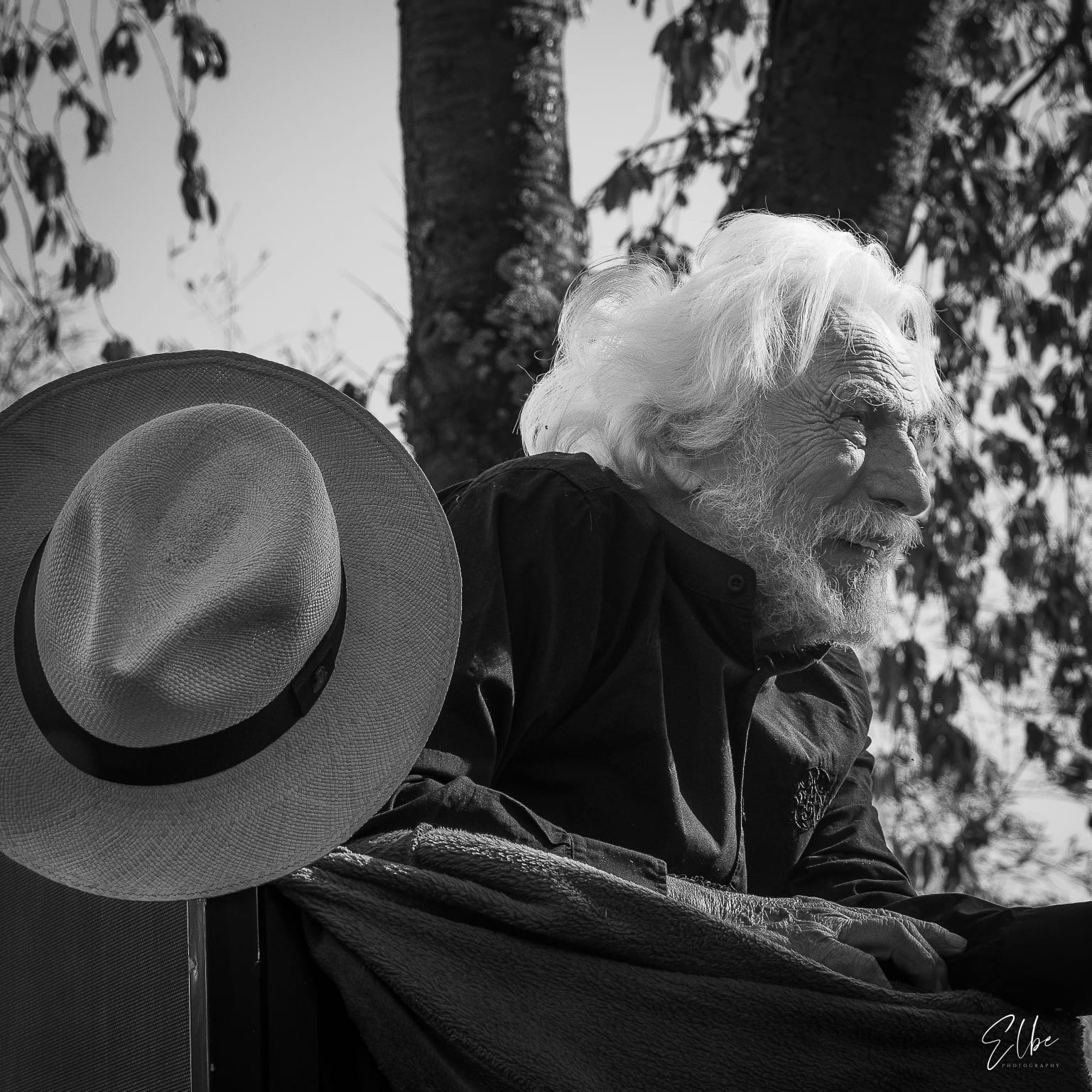
There are people for whom creativity is a profession. And there are those for whom creativity becomes a way of understanding the world.
Pascal Morabito belongs firmly to the latter.
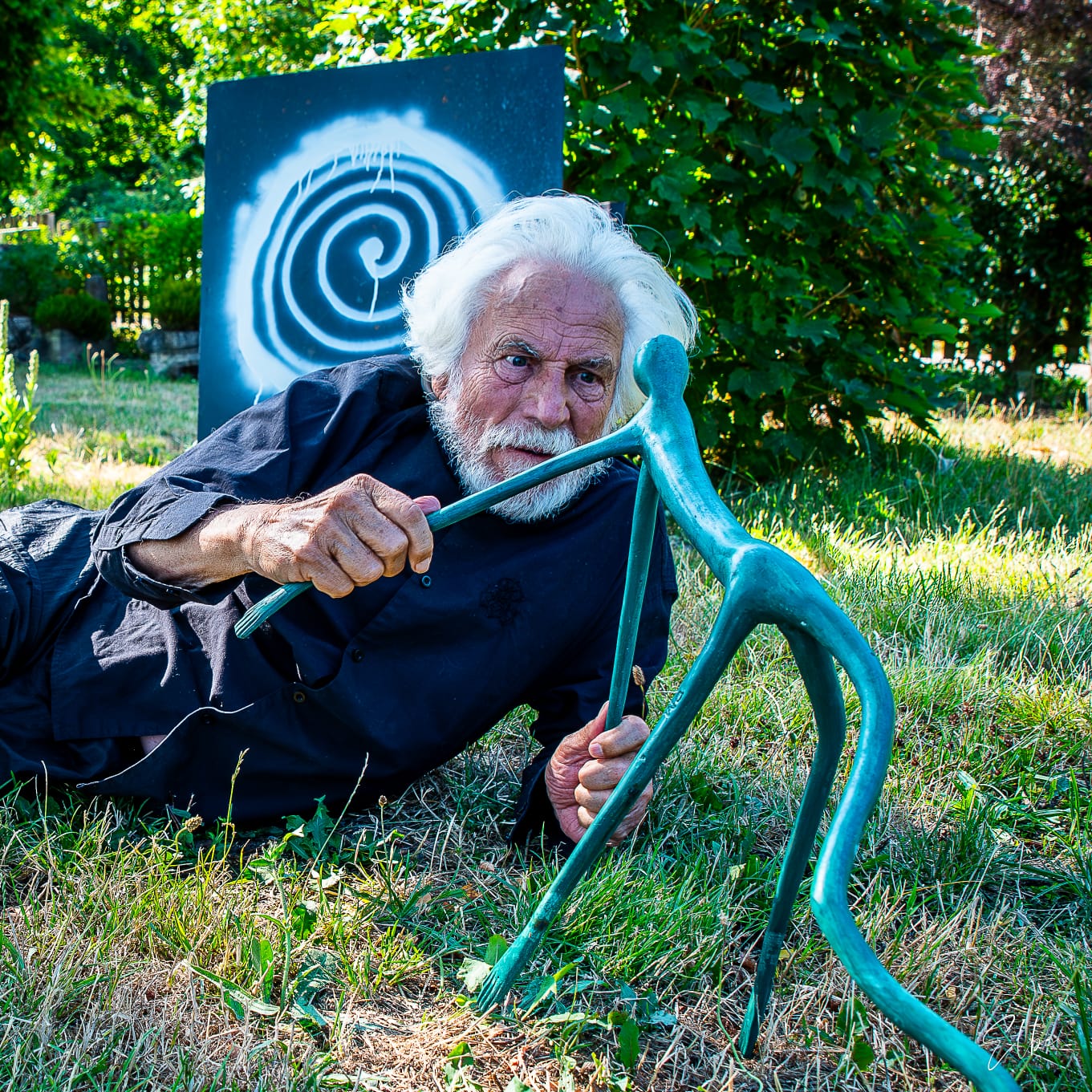
A jeweler, designer, sculptor, architect, collector, researcher, and multidisciplinary artist, Morabito has spent decades moving freely between art, design, fashion, architecture, and the philosophy of objects. His creative journey began long before Bali.
Born in Nice into a family of jewelers of Italian origin, Morabito studied architecture before establishing a center for contemporary jewelry in 1968, approaching jewelry almost as a form of miniature architecture. In 1970, he created one of his most recognizable works, Diamant Libre: a diamond suspended inside a transparent synthetic crystal framed with gold. Over the decades that followed, Morabito continued experimenting across jewelry, fragrance, furniture, architecture, sculpture, and visual art. But eventually, another place entered his story and profoundly influenced both his life and his artistic philosophy. That place was Bali.
Bali: A Second Creative Life
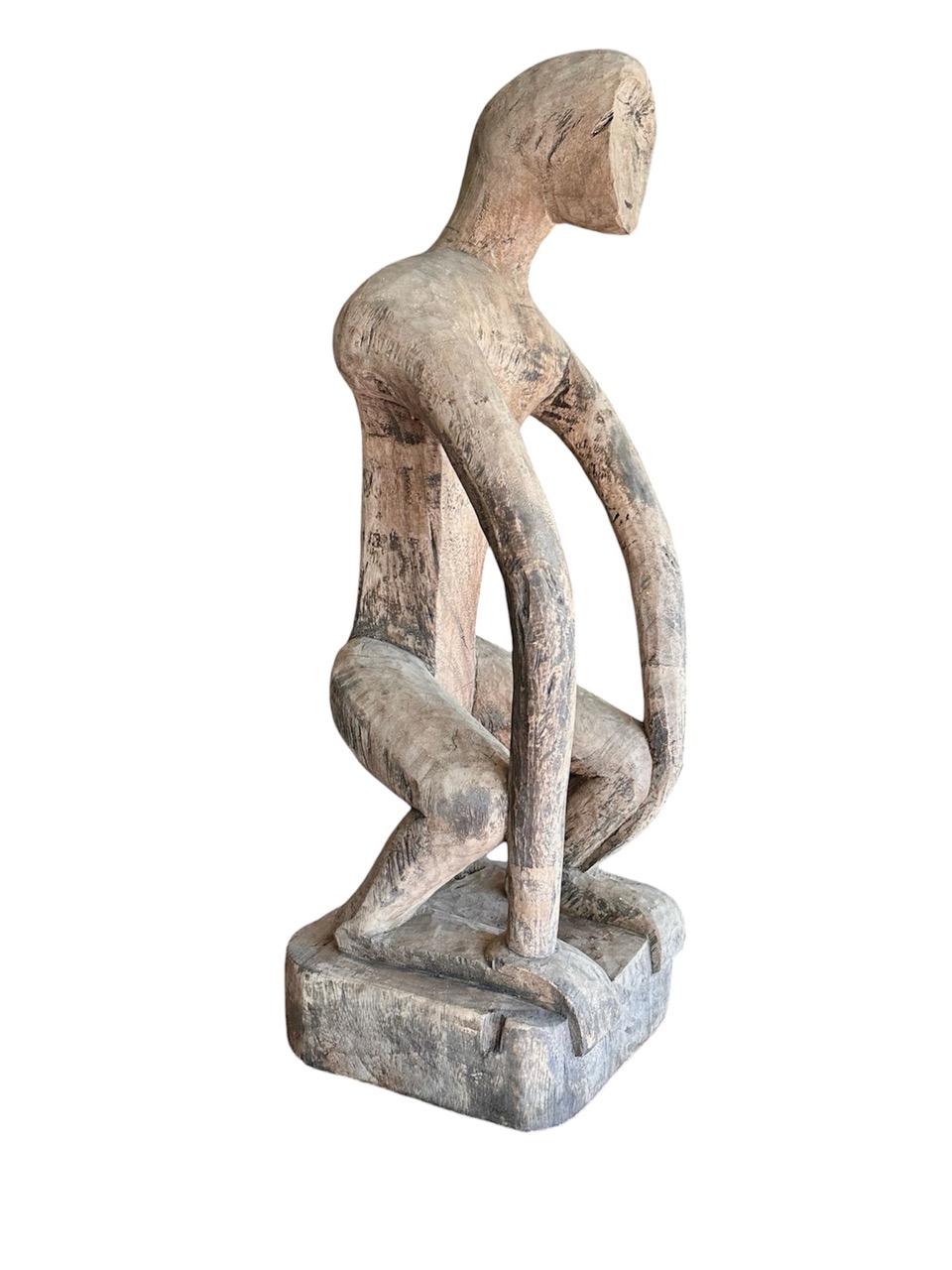
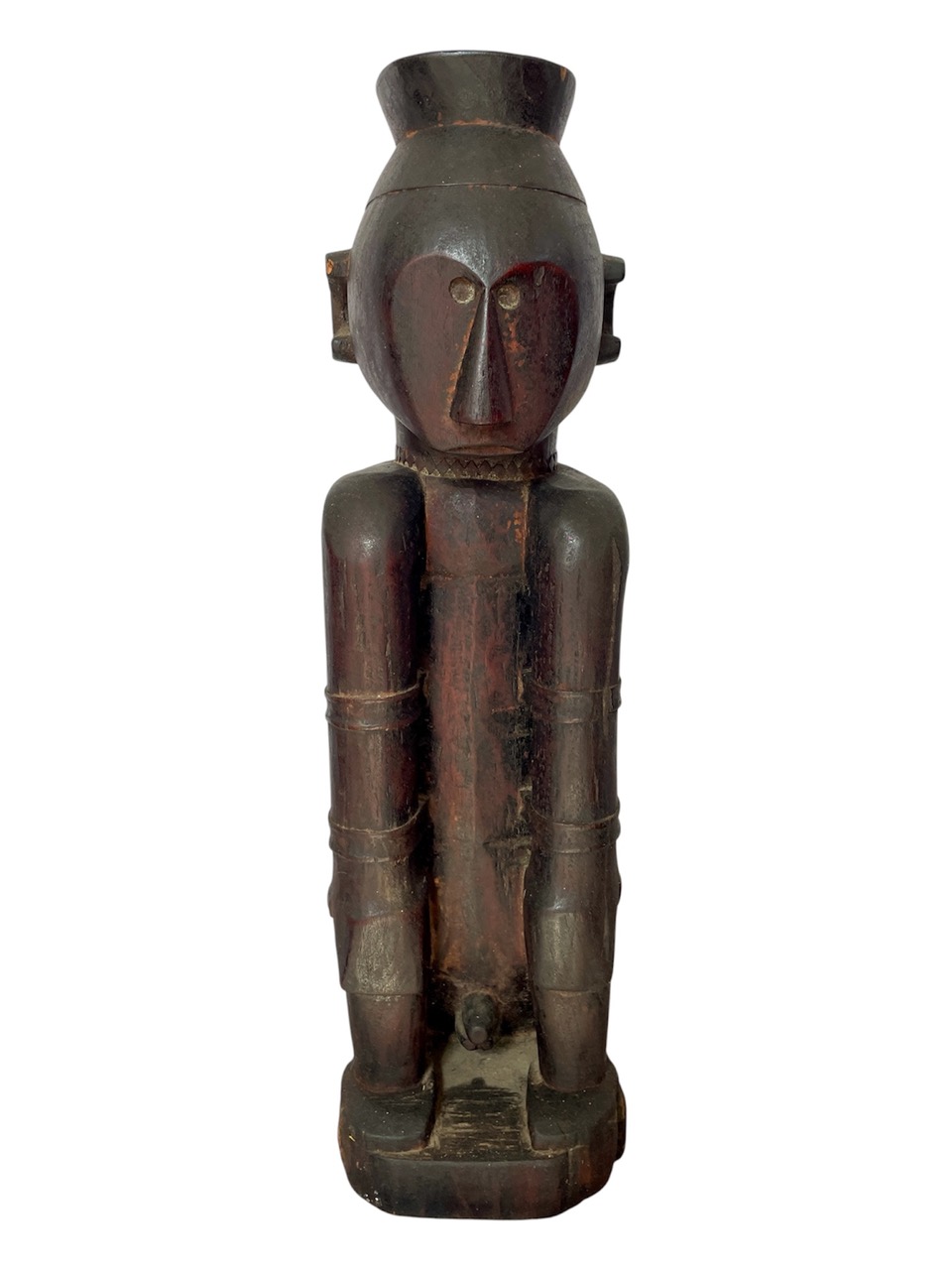
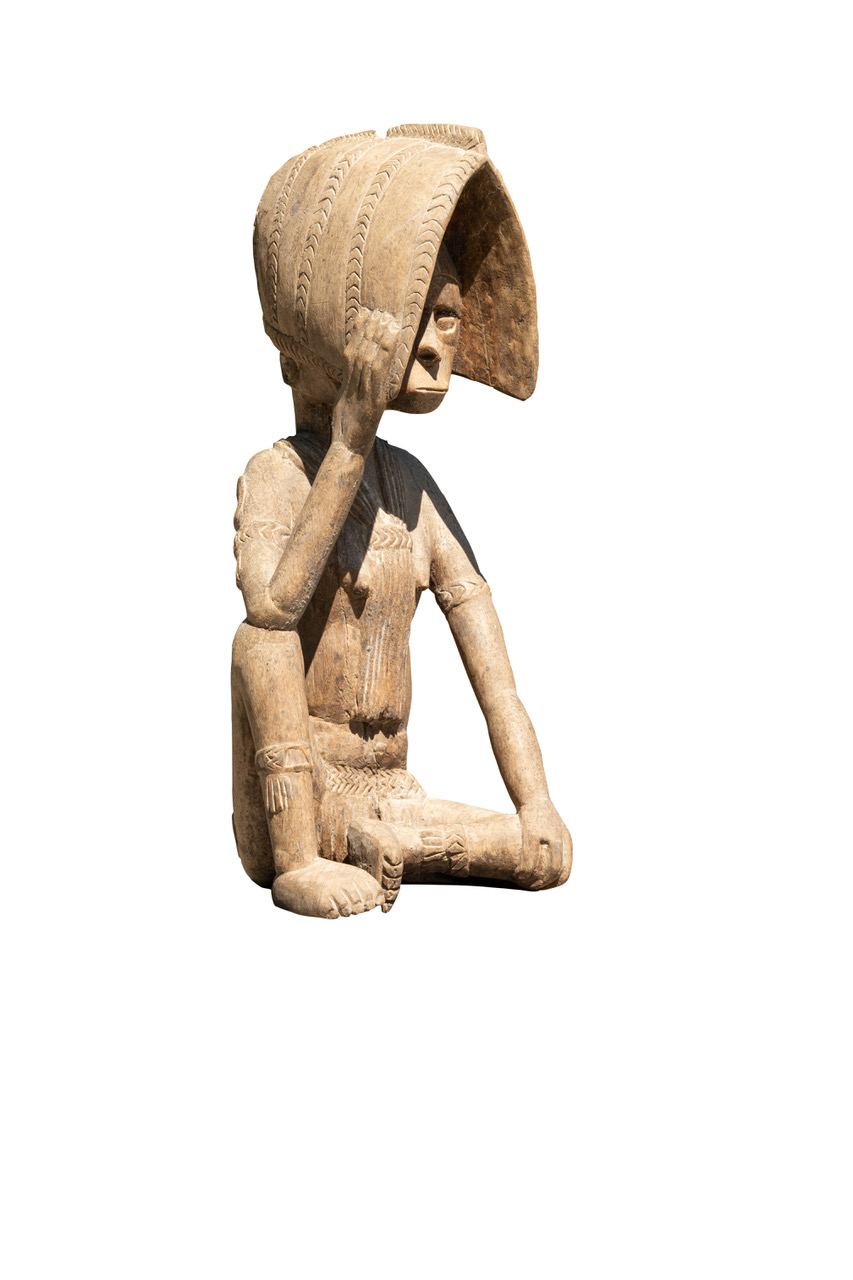
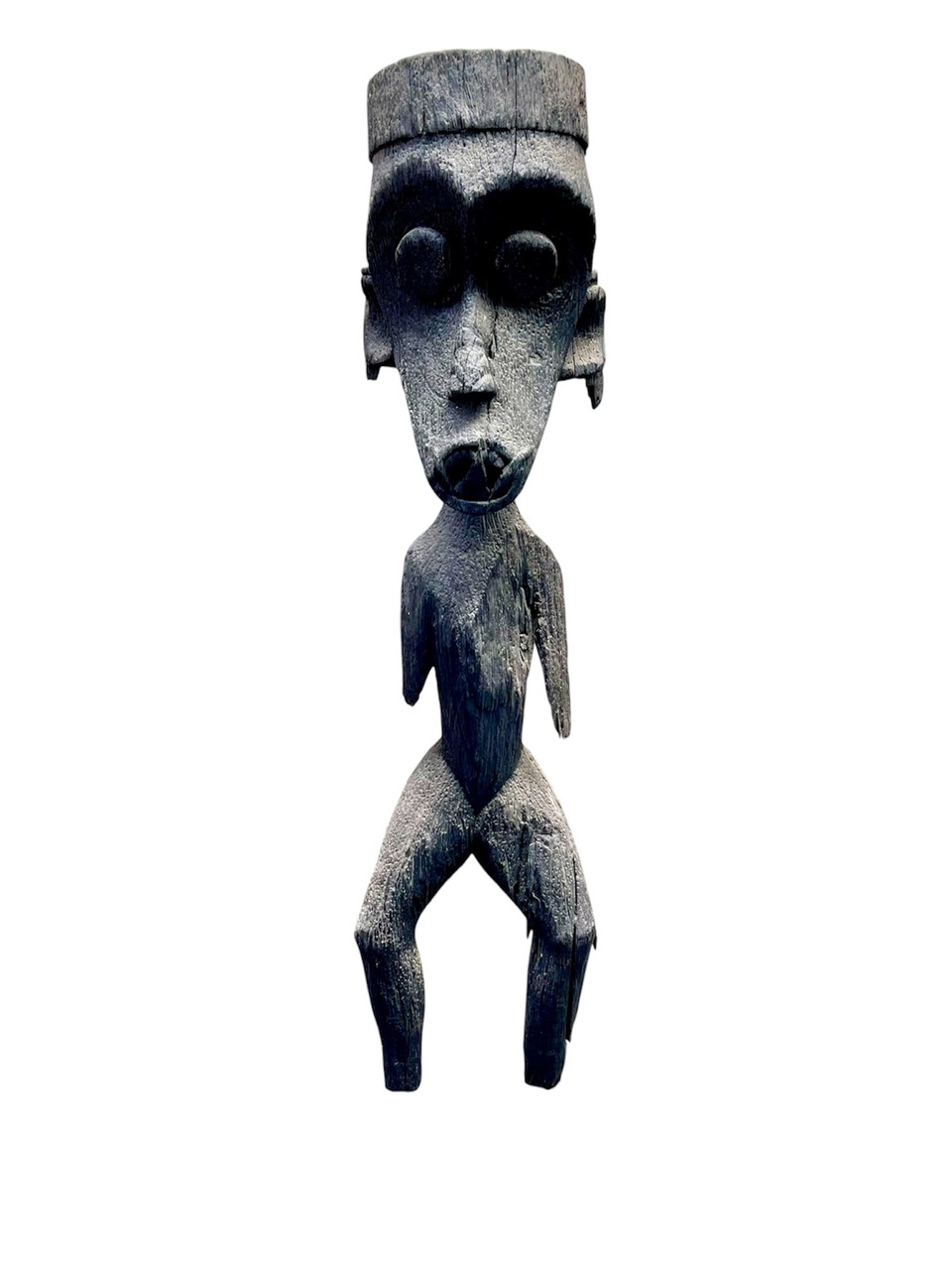
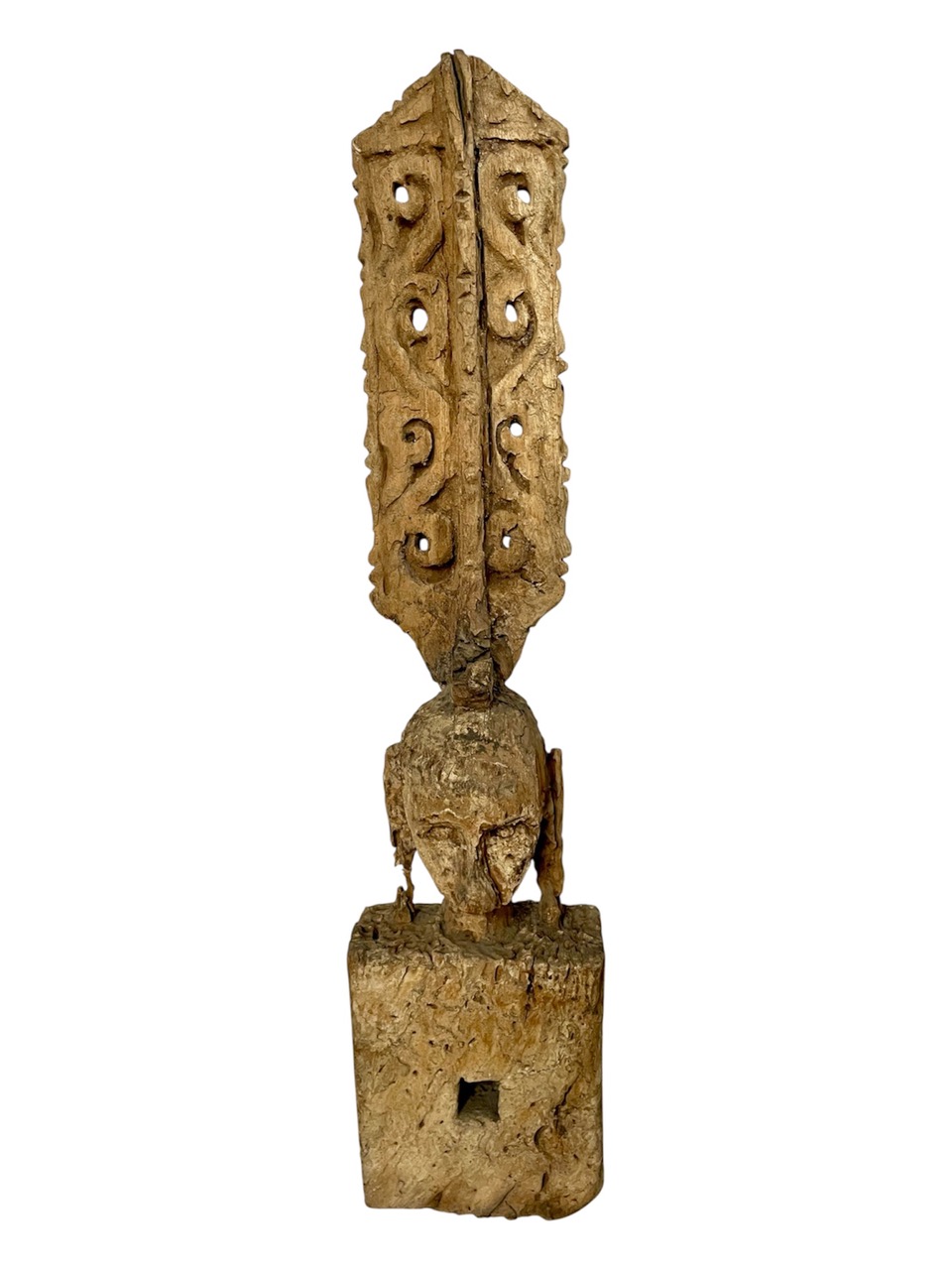
When Pascal Morabito first came to Bali, it was not necessarily supposed to become a story lasting almost two decades. Yet the island became home. What initially might have been a temporary chapter gradually turned into one of the most important periods of his creative life. For Morabito, Indonesia revealed itself not as one aesthetic universe, but as hundreds of interconnected worlds — cultures with their own visual languages, materials, forms, rituals, symbols, and archetypes. Batak, Sumba, Dayak and many other traditions each possess an identity that can be recognized through their objects. Morabito has spent years observing, collecting, studying, and living alongside these cultural expressions. And somewhere within this experience, one of the central questions of his work became increasingly important:
How can difference be preserved while simultaneously becoming part of something larger?
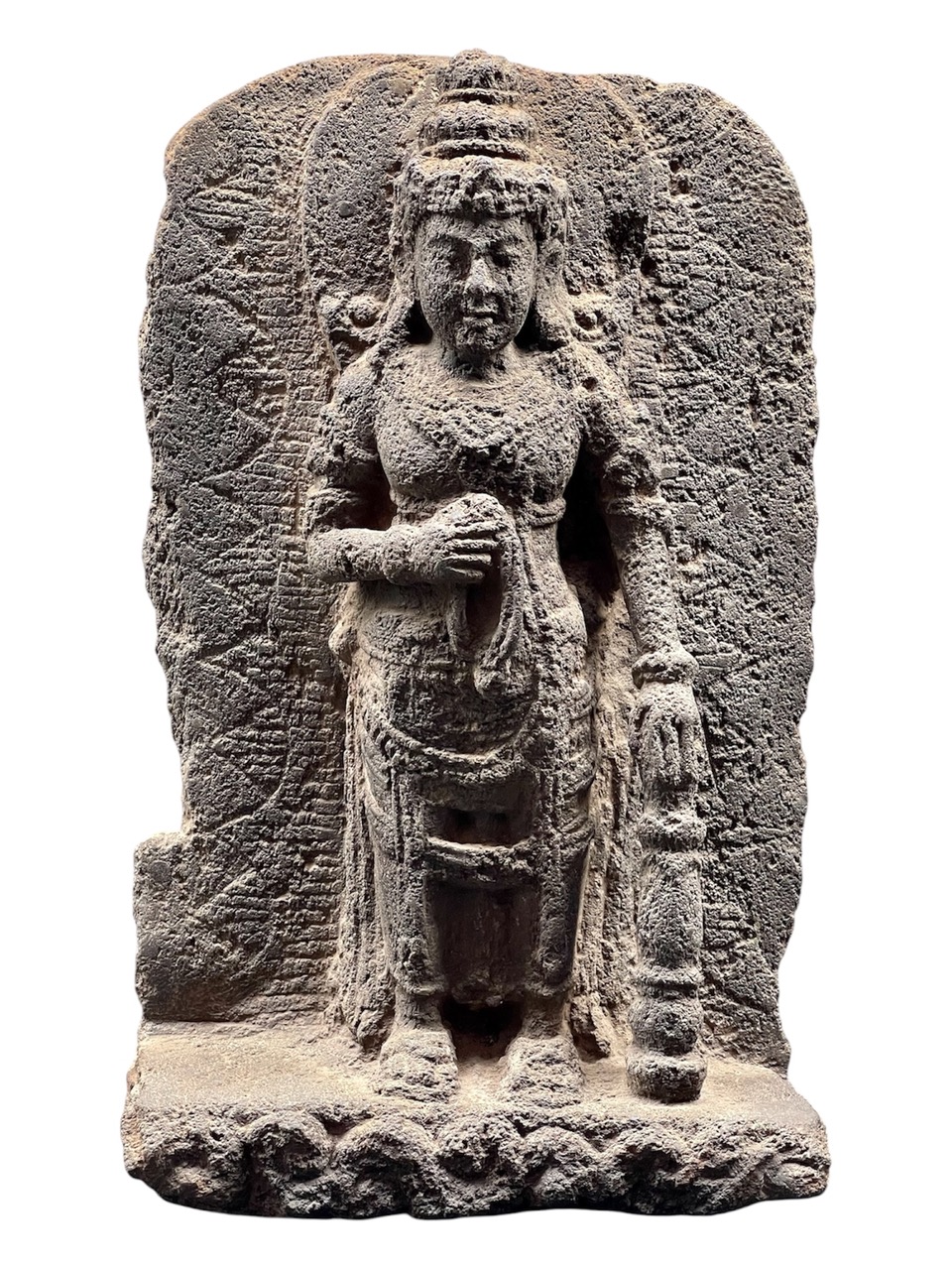
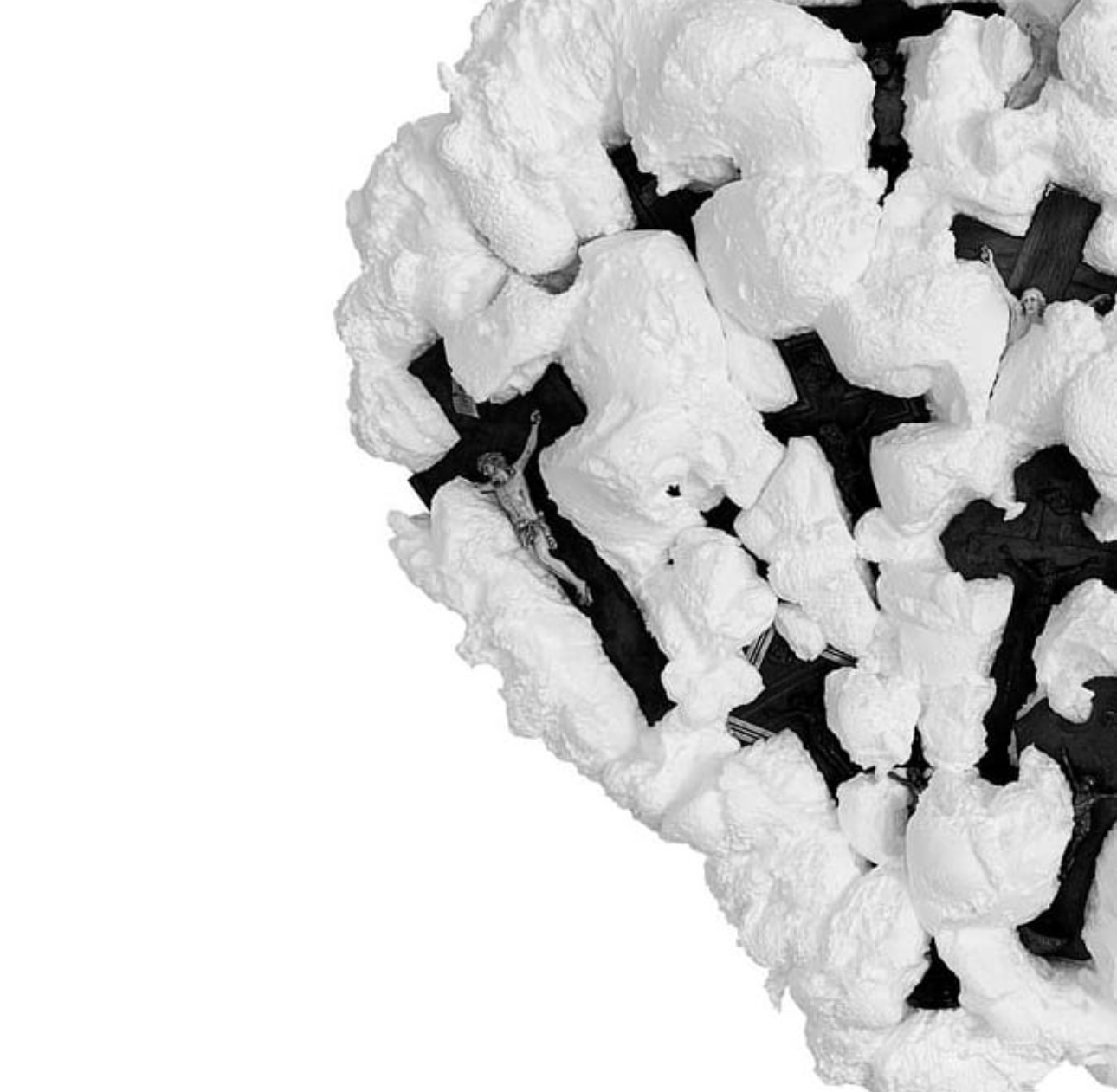
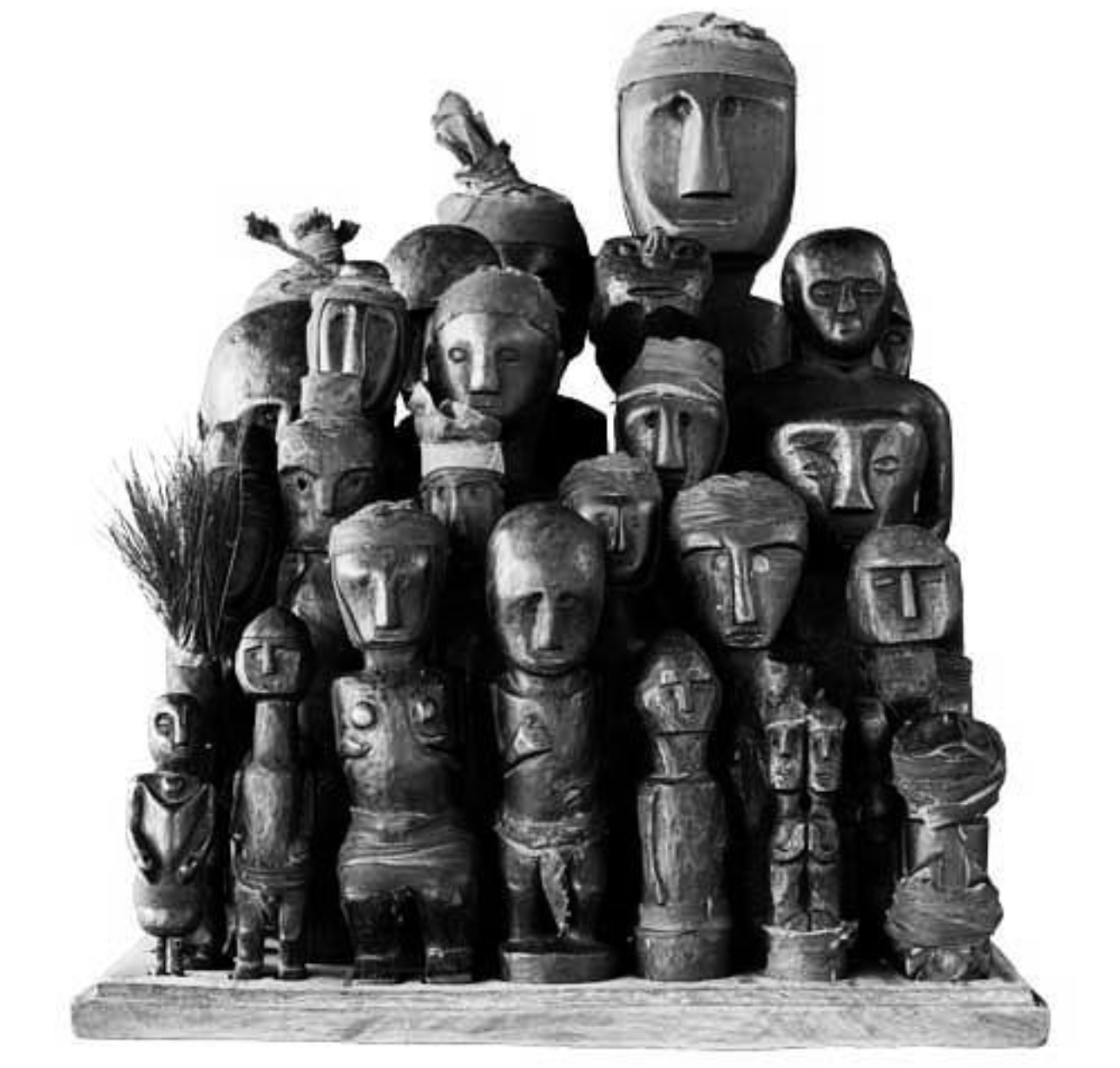
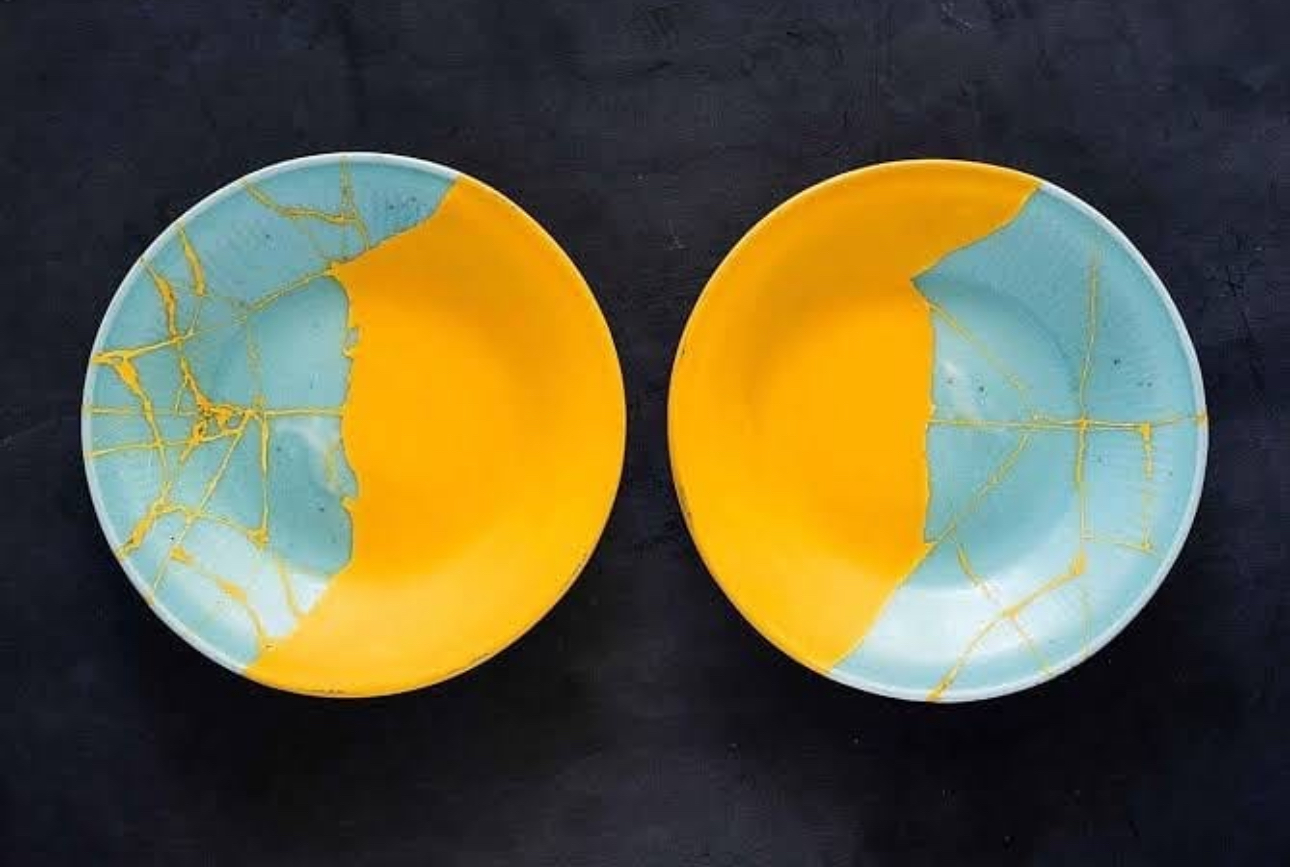
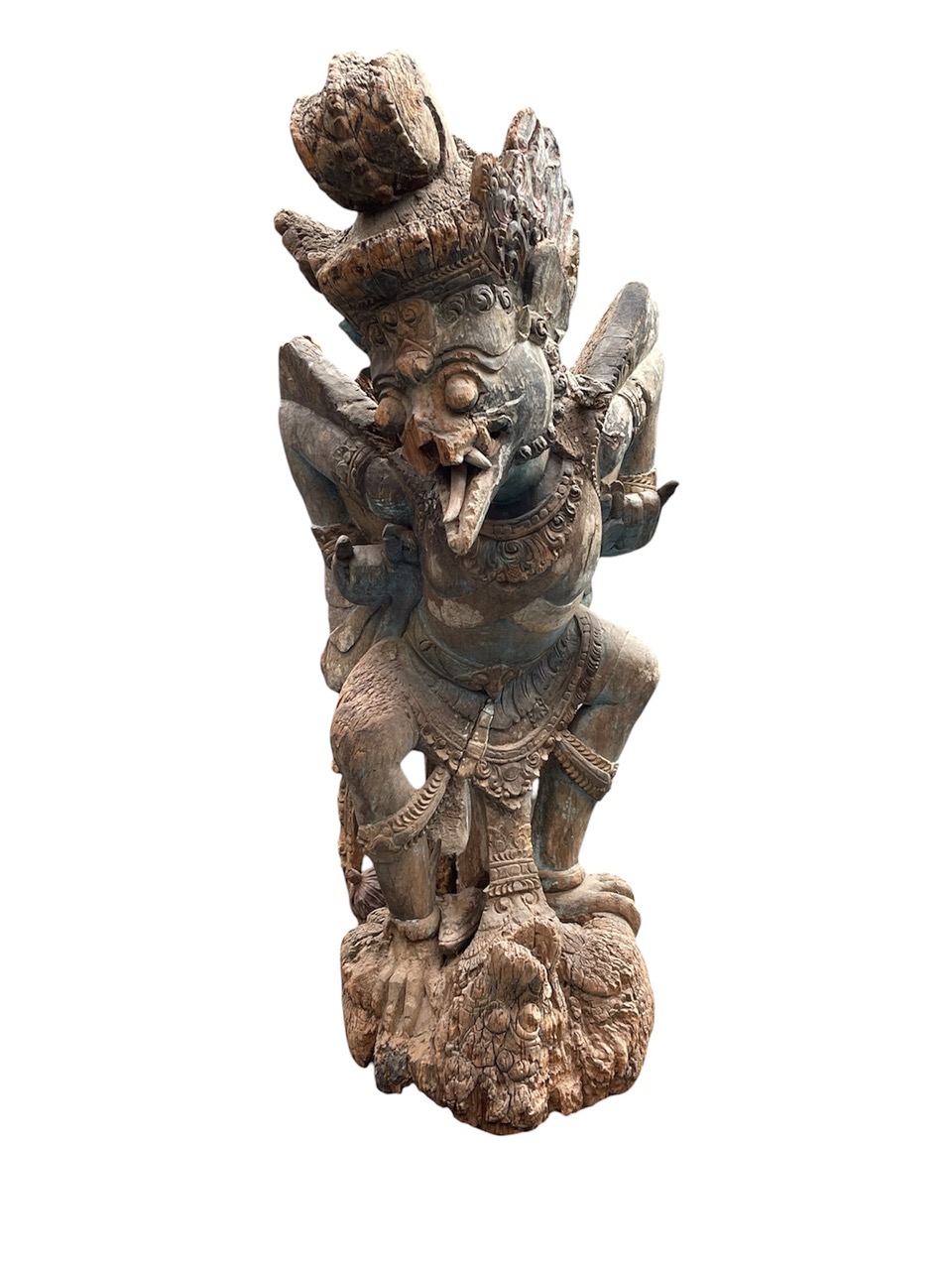
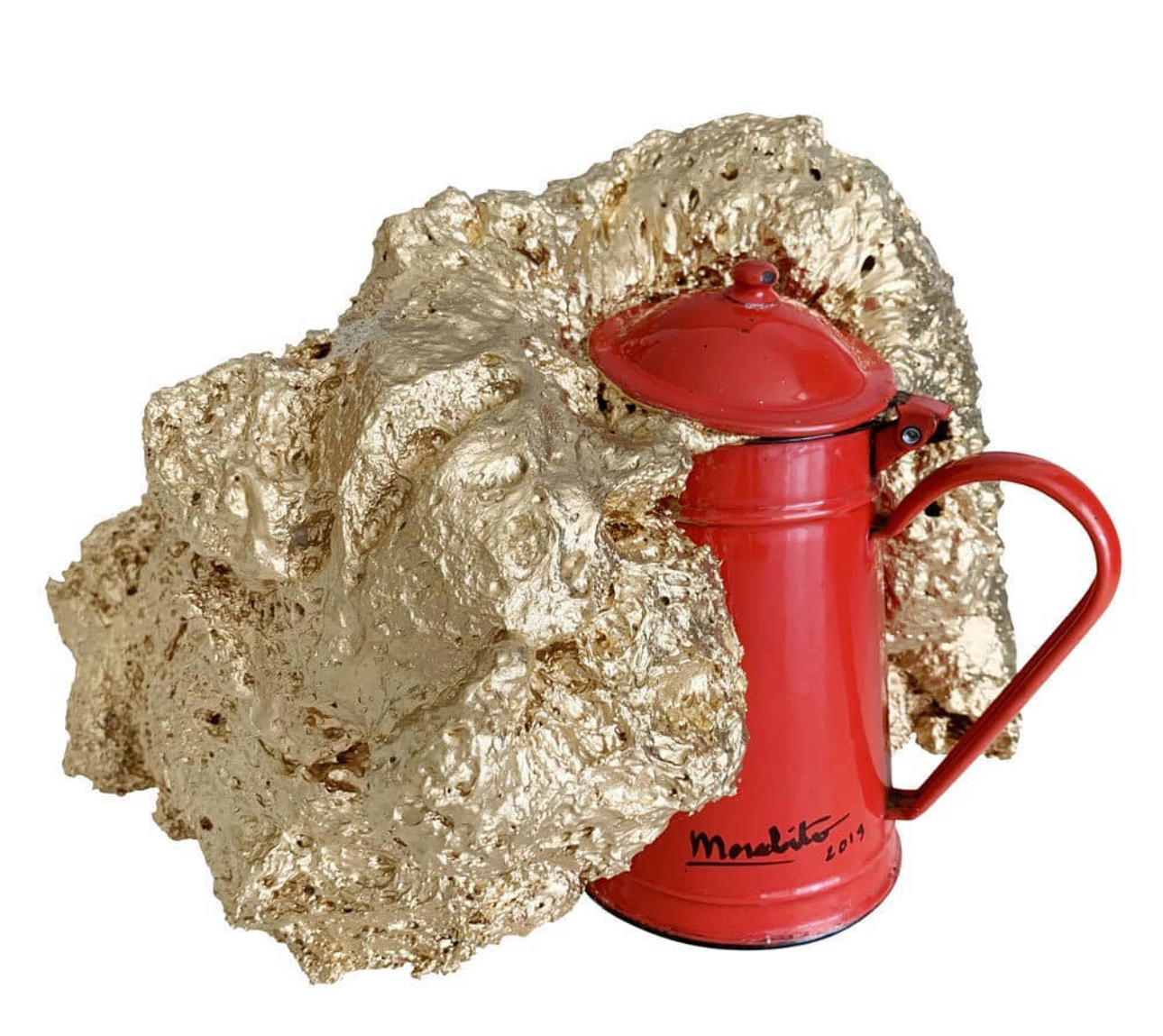
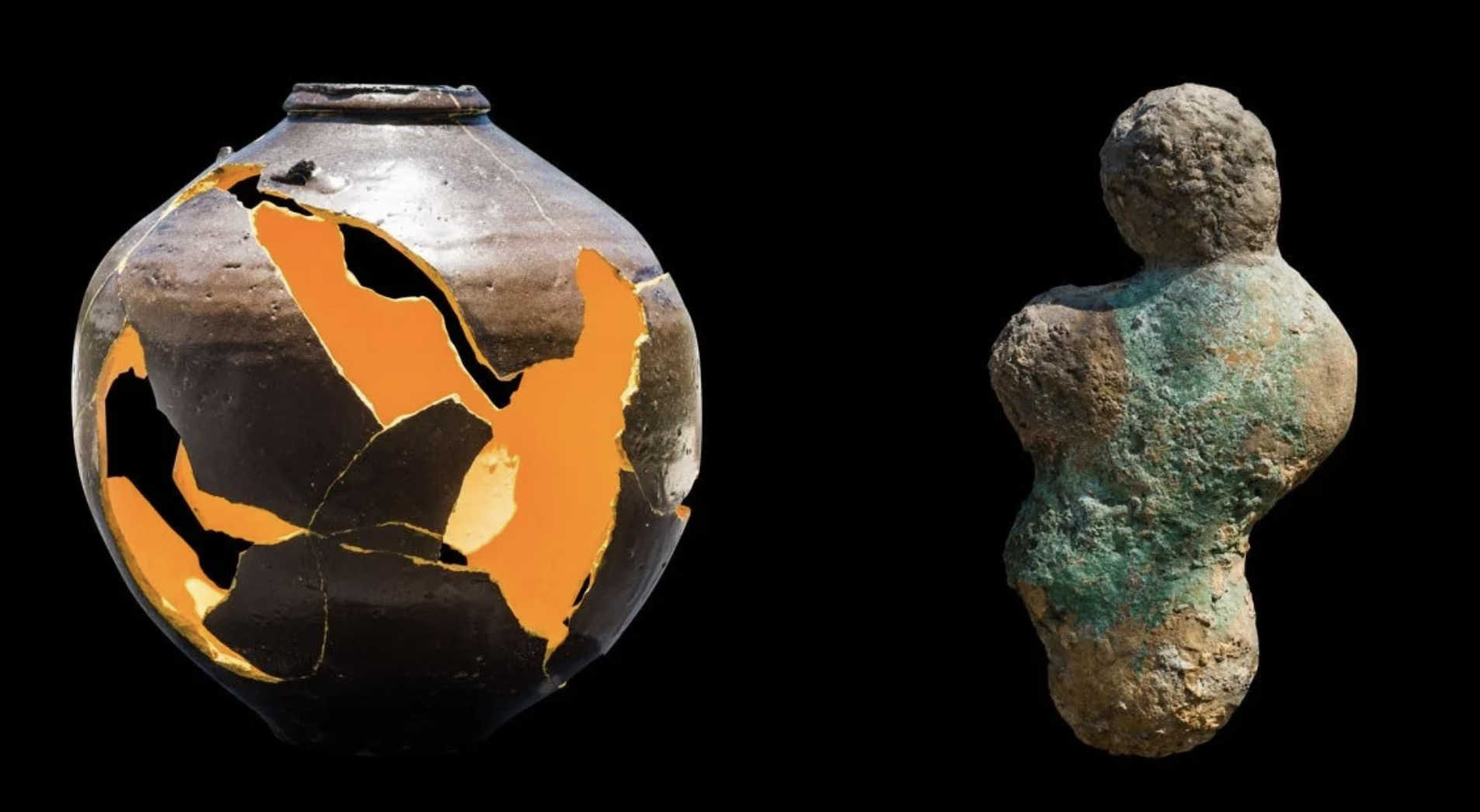
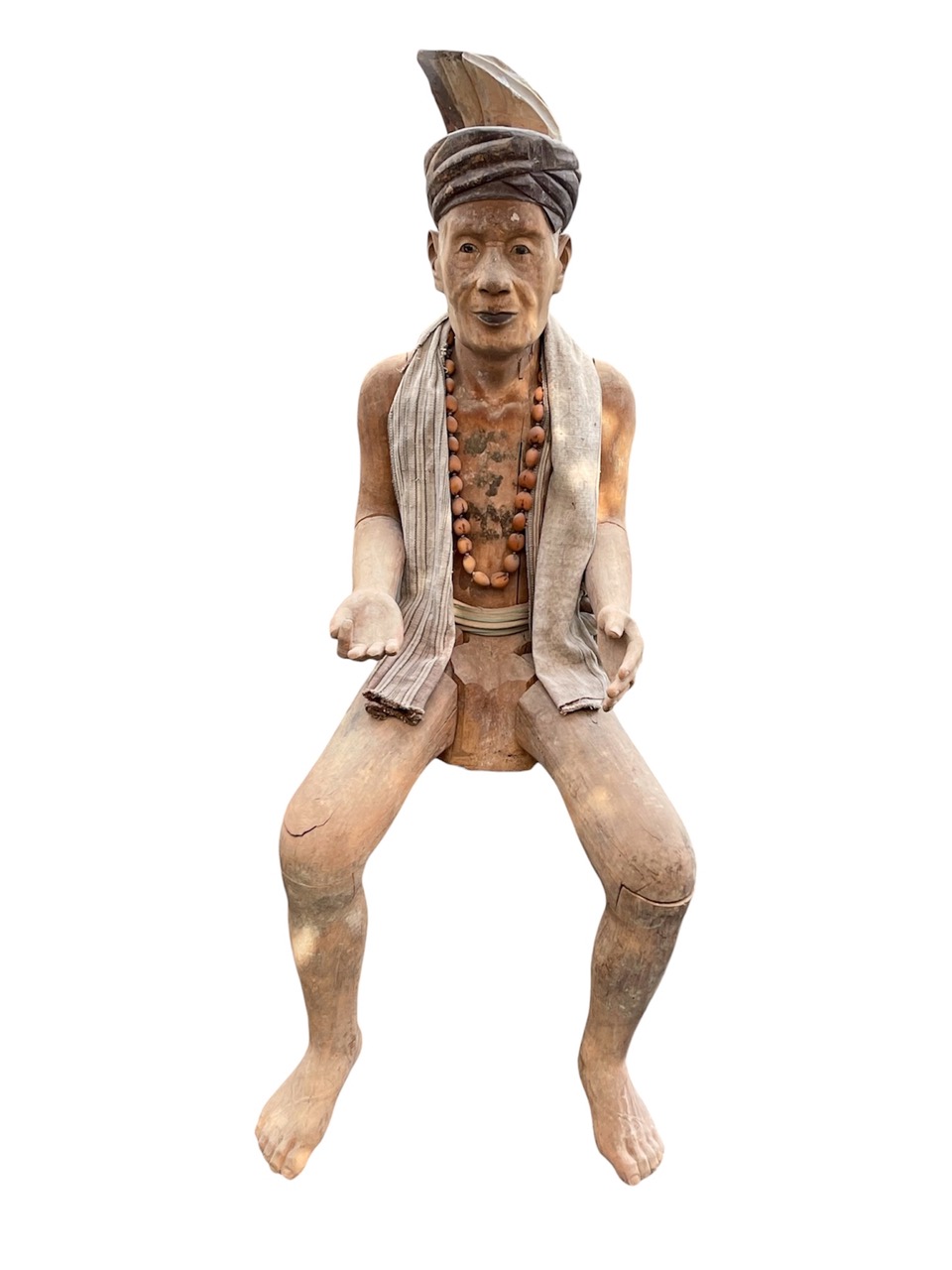
Bali gave that question a physical form. Morabito began collecting Indonesian objects and antiquities, including ceramics discovered through archaeological exploration on land and underwater. Individual objects gradually became part of larger compositions. Fragments acquired new meanings. Things created for one purpose entered another life. This philosophy developed through projects including Indonesia and Second Life. In some works, traditional Indonesian figures were assembled into new compositions. In others, archaeological ceramics — bowls, plates and vessels marked or broken by time — were reconstructed and transformed into contemporary artworks. Eventually, another idea emerged from this process:
Multitude and Unity.
Many individual objects. Many identities. Many histories. Yet together, one story.
Today, in Bali, that philosophy is entering an entirely new chapter.

Nuanu: The Beginning of the Living Museum
The next stage begins at Nuanu Creative City in Bali. According to Morabito, everything happened remarkably quickly. The idea for an initial exhibition dedicated to Indonesian tribal art received the green light almost immediately. Nine islands. Their archetypes. Their objects. Their differences. Their cultural identities. All brought together within one coherent narrative. But the exhibition itself is only the beginning. Behind it stands a much larger concept:
The Living Museum.
And the most important word is living.
“To me, a museum should not be a place where objects enter only to never leave again,” Morabito explains.
Within that sentence lies a fundamental challenge to the conventional museum model. We traditionally think of museums as final destinations for objects. A work is discovered, acquired or donated. It is researched, catalogued, restored, placed inside a collection and preserved. Its movement effectively stops. Morabito proposes almost the opposite.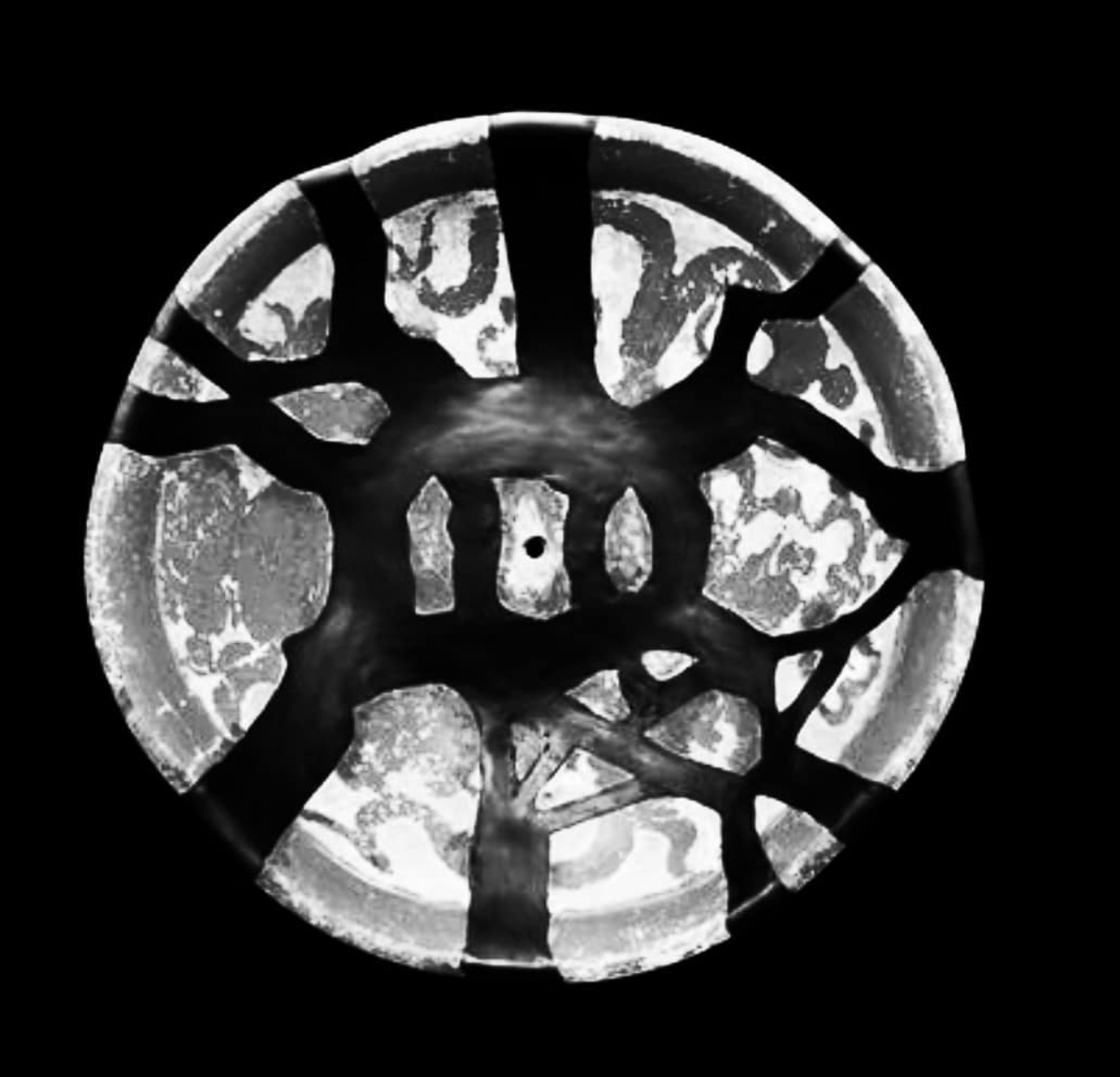
A Museum Where Art Is Allowed to Leave
The Living Museum will seek out exceptional collections and bring them together. Objects will be researched. Photographed. Catalogued. Their histories will be documented. Their origins and dimensions will be recorded. Their relationships to other objects and collections will be preserved. This knowledge will then become part of books and an extensive digital library. But after that, something unusual can happen. Some of the physical objects may leave the museum again. A visitor might come to Bali, encounter a particular piece and feel an immediate connection with it. They may decide to acquire it. The object could then travel to Paris. New York. Tokyo. São Paulo. Or perhaps to the home of someone the museum’s creators have not even met yet. Physically, the object has left Nuanu.
But within the Living Museum, it has never disappeared. Its image remains. Its origin remains. Its story remains. Its dimensions, provenance and relationship with the collection from which it came remain recorded. The physical object travels. Its memory stays. And this creates a fascinating paradox:
The museum can build itself and disperse itself at the same time.
One part remains in Bali. Another exists in France. Another in America. Another somewhere in Asia. Another in a private home thousands of kilometers away. Yet all of these objects continue to belong to the same story.
When a Museum Becomes a Network
This idea goes considerably further than simply creating a digital archive. Morabito is effectively questioning whether a museum needs to be defined by a building at all. In the traditional model, architecture establishes the museum’s boundaries. There are walls. An entrance. Exhibition rooms. Archives. Storage facilities. Inside the Living Museum, however, information and memory become the connecting architecture. The museum can therefore potentially exist simultaneously in thousands of physical locations. Its heart remains in Bali. Its objects travel. Its memory expands.
Visitors to Nuanu will be able to sit comfortably and explore this extraordinary archive physically and digitally. At the same time, somebody on the other side of the planet will be able to enter the same cultural memory through modern digital technologies. But Morabito insists on something particularly important:
Digital technology must never eliminate our physical relationship with an object.
And this is where the concept becomes especially compelling.
Why an Image Is Never Enough
We increasingly experience culture through screens. We look at paintings on smartphones. We walk through virtual exhibitions. We zoom into sculptures in extraordinary resolution. Within seconds, we can access collections that once required traveling across continents to see. But for Pascal Morabito, an image can never fully replace an object. An object has weight. Material. A surface. A skin. Traces left by time. Sometimes even a smell. You need to stand close to it. Understand its scale. See how light changes its surface. And, whenever possible, touch it. The Living Museum therefore is not an attempt to replace the physical museum with a virtual one. It is an attempt to connect digital memory with physical reality. Technology preserves the history. The object preserves the emotion. One complements the other.
From Owner to Custodian
There is another important dimension to Morabito’s concept. A person who acquires an object from the Living Museum does not simply become its buyer. In Morabito’s philosophy, that person becomes its custodian. They take home a physical part of the museum. And with it, in some sense, they become responsible for a small fragment of a much larger cultural story. This changes the meaning of ownership. Legally, the object may belong to an individual. Culturally, however, it continues to exist within the history from which it came. And perhaps this is one of the Living Museum’s most powerful ideas. The museum gradually stops belonging exclusively to the person or institution that created it. Instead, it begins to belong to everyone who chooses to participate in its story.
From “Multitude and Unity” to the Living Museum
When viewed against Morabito’s work of the past two decades, the Living Museum does not feel like an isolated experiment.
The same philosophical idea appears again:
Many separate elements can remain one, even when they exist in different places and different forms.
Earlier in his career in Indonesia, Morabito physically brought multiple objects together to create unified compositions. Now he proposes almost the reverse. He creates a unified collection — and then allows it to become multiple again. The difference is that technology can preserve the invisible relationships between the pieces. In a sense, the Living Museum can be understood as an evolution of Multitude and Unity. But this time, an artistic philosophy is becoming an entire museum model.
Why Bali Matters
It is difficult to imagine the Living Museum emerging in quite the same way anywhere else. Bali itself exists at an extraordinary intersection between past and future. Ancient rituals coexist with global technology. Traditional craftsmanship exists alongside experimental architecture. Temples stand close to contemporary creative spaces. Artists, entrepreneurs, designers, collectors and digital creators from around the world constantly move through the island.
For Morabito, Bali has been much more than a place of residence for nearly two decades. It has become a laboratory. A place to collect. To observe. To create. To question. To experiment. Here, Indonesia became one of the central influences on his creative thinking. And now, it is here that he is asking another ambitious question:
What should a museum of the 21st century actually be?
Could It Become One of the World’s Largest Museums?
Perhaps the most provocative part of Morabito’s vision is his suggestion that the Living Museum could eventually become one of the largest museums in the world. Not because Nuanu will contain the world’s largest museum building. And not because millions of objects will necessarily be locked behind its walls. Quite the opposite. It could become enormous precisely because it does not need fixed boundaries. Imagine the model several decades from now. Thousands of objects are living with custodians around the world. Each has a digital identity. Its provenance is known. Its history has been preserved. Its original collection has been documented. Its connections to other objects remain visible. Physically, the collection is dispersed across the planet. Intellectually and culturally, however, it remains connected. In that world, the size of a museum is no longer measured only in square meters.
It is measured by the scale of its memory.
Beauty, Knowledge and Happiness

Behind the digital infrastructure, catalogues, collections and ambitious museum philosophy, Morabito ultimately returns to something deeply human. Beauty. Knowledge. And — unusually for a conversation about museum institutions — happiness. The Living Museum is not simply intended to preserve objects from the past. It is designed to allow them to continue living. To move from one person to another. To enter new environments. To create emotional relationships. To travel. And at the same time, never completely disappear. Perhaps that is why the word Living describes the project better than any complicated curatorial definition could. This is a museum that does not attempt to stop time. It allows time to continue. An object may change owners. It may cross an ocean. It may enter another home. It may become part of another person’s life. But its memory remains connected to the place where this journey began. With Nuanu.With Bali.With Pascal Morabito’s idea. And if the traditional museum is built to preserve the past, the Living Museum proposes something slightly different:
To give the past the possibility of continuing to live in the future.
At the heart of Morabito’s vision is one remarkably simple idea:
to make the potential for beauty, knowledge and happiness available to the world.
And perhaps that is exactly how a museum without borders begins.