




Hollywood’s biggest awards show is officially rewriting its rules for the age of artificial intelligence.
The Academy of Motion Picture Arts and Sciences has approved a series of major changes for the 99th Academy Awards, including stricter requirements around AI-generated acting and screenwriting, new possibilities for actors to receive multiple nominations and a significant expansion of the International Feature Film category.
The changes will apply to films competing at the Oscars ceremony on March 14, 2027.
AI-generated actors cannot compete for acting Oscars
The biggest change concerns artificial intelligence.
From the 2027 Oscars onward, performances will only qualify for the acting categories when the role is officially credited and demonstrably performed by a human actor with their consent.
That effectively rules out fully AI-generated performers from competing for Best Actor, Best Actress or the supporting acting awards.
The Academy has also reserved the right to request additional information from filmmakers about how generative AI was used in a production and the extent of human involvement.
The move arrives as Hollywood continues debating how generative AI could reshape acting, digital likenesses and the recreation or alteration of human performances.
Oscar-nominated screenplays must be written by humans
The Academy has taken an equally clear position on writing.
To qualify for Best Original Screenplay or Best Adapted Screenplay, the screenplay must now be human-authored.
The rule does not mean that any film using AI technology is automatically excluded from the Oscars. Instead, the Academy is drawing specific boundaries around categories where human authorship and performance are considered fundamental to the achievement being rewarded.
AI-assisted technology may still appear elsewhere in filmmaking, but the Academy can request disclosures about its use when determining eligibility.
Actors can now receive two nominations in the same category
Another major change could completely reshape future acting races.
Previously, an actor could not receive two nominations in the same acting category during one year, even if they delivered multiple highly acclaimed performances.
That restriction is now gone.
Beginning with the 99th Oscars, a performer can receive multiple nominations in the same acting category if more than one performance finishes among the top five in voting.
That means an actor with two major lead performances could theoretically compete against themselves for Best Actor or Best Actress.
It also removes some of the pressure on awards campaigns to position one performance as lead and another as supporting simply to avoid splitting support.
International films get a major new route to the Oscars
The Best International Feature Film category is also undergoing one of its most significant changes in years.
Traditionally, each country or territory has selected a single official film to represent it.
That national selection process will remain, but films can now gain an additional route into Oscar consideration by winning specific top prizes at major international festivals.
For the 2027 ceremony, qualifying wins include the Golden Bear at Berlin, Palme d’Or at Cannes, Golden Lion at Venice, World Cinema Grand Jury Prize at Sundance, Platform Award at Toronto and Busan Award for Best Film.
The change means more than one film associated with the same country could potentially enter the international Oscar race.
Directors receive greater recognition
The Academy is also changing how the International Feature Film Oscar is presented.
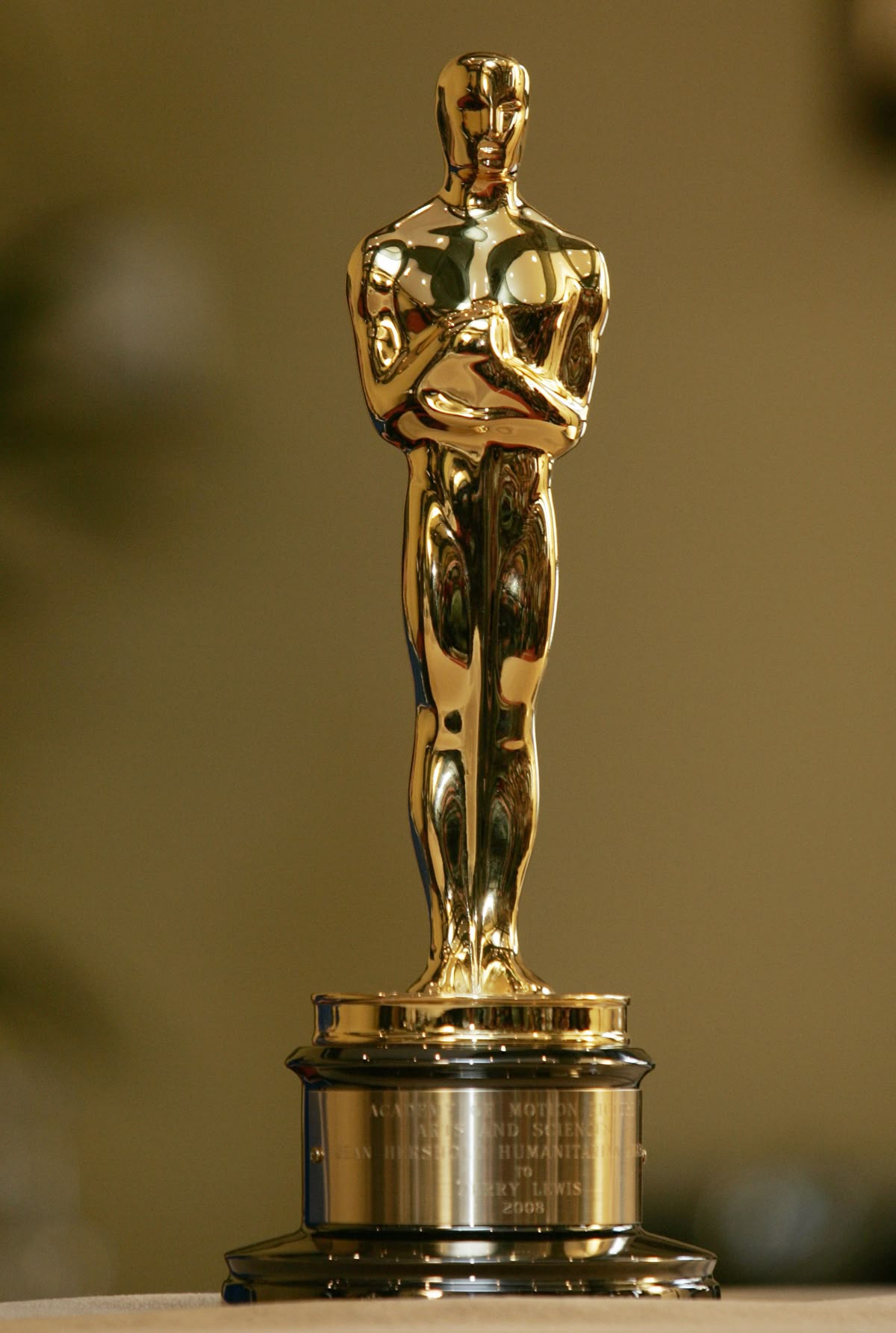
The winning film’s director will now be named on the statuette plaque, alongside the film title and, where applicable, its country or region.
It is a relatively small physical change with significant symbolic importance.
International Feature has historically been closely associated with the submitting country, even though directors are often the creative figures most publicly identified with the winning films.
The new approach places stronger emphasis on the filmmaker behind the work.
Best Casting expands after its historic debut
The Academy is also continuing to develop its newest competitive category, Best Casting.
Beginning with the 99th Oscars, as many as three people can receive statuettes for a winning casting achievement, up from the previous maximum of two.
The category represents the Academy’s increasing recognition of casting as a major creative component of filmmaking alongside directing, editing, cinematography and production design.
Other Oscar categories are changing too
Several more technical updates have been introduced.
Visual Effects voters will need to watch the three-minute “Before and After” reels presented during the category’s bake-off before participating in final voting.
The Original Song rules have also been clarified for songs appearing as the first new piece of music during end credits, while Makeup and Hairstyling voting requirements have been adjusted.
The Academy has additionally revised rules surrounding the Governors Awards and campaign regulations for Oscar-eligible films.
Hollywood enters the AI era
The most significant part of the new rules is not that the Oscars have banned artificial intelligence from filmmaking altogether — they have not.
Instead, the Academy is beginning to define where it believes the human contribution must remain unmistakable.
For acting, there must be a human performer. For screenwriting, there must be human authorship. And when generative AI becomes part of the process, the Academy can ask filmmakers to explain exactly how it was used.
It is an early attempt to answer a question that is likely to become increasingly complicated for Hollywood: when technology can create a voice, face, performance or screenplay, what exactly should an award for human artistic achievement recognise?
For the 2027 Oscars, at least, the Academy has made its position considerably clearer.